Regular Boat Maintenance Saves You Money Over Time
Routine boat maintenance is not just a chore. It is one of the cheapest ways to protect your money, according to new guidance from OneMain Financial, published on 23 October 2026. Skipping small jobs can turn into repair bills that dwarf the cost of regular care, and that matters when you are already paying a boat loan, insurance and marina fees.
The message is simple: staying on top of maintenance protects your investment. Here is how regular boat care helps you save money in the long run.
Small fixes prevent big repairs
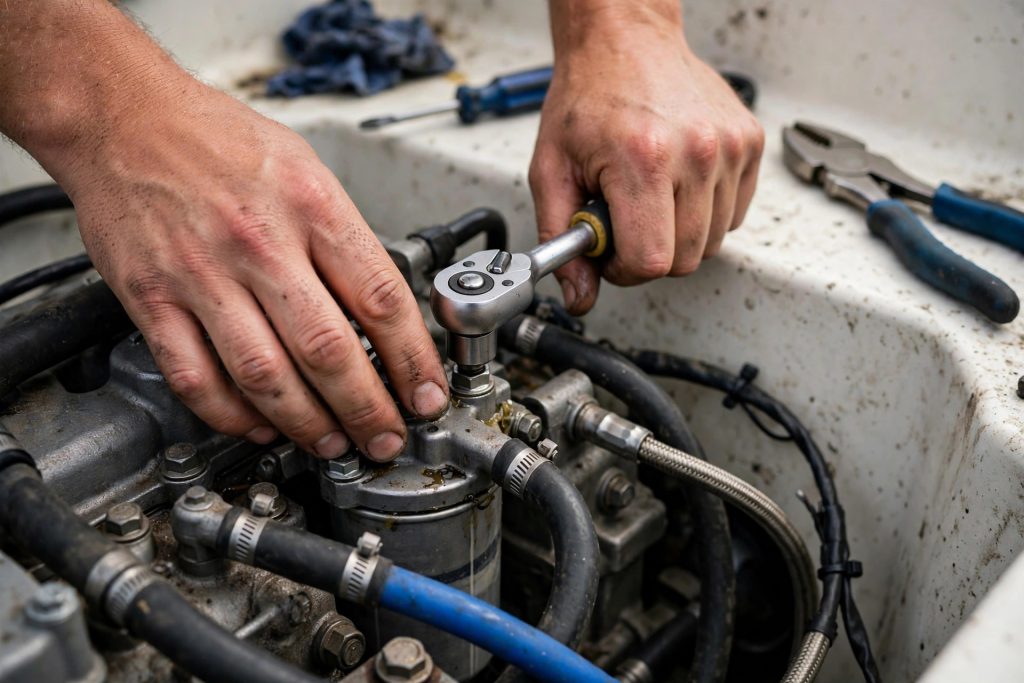
Rust on the hull, loose belts in the engine or a small oil leak might seem harmless at first. Leave them unchecked, though, and these problems can grow quickly. Regular oil changes help an engine run smoothly, while skipping them may cause overheating, corrosion or even total engine failure. The same logic applies to the whole boat. A little bit of unchecked rust can eat away at the metal, weakening its structural integrity. That can cause leaks and, over time, complete structural failure. Catching problems early is often far cheaper than fixing the damage they can cause later, which is why boat maintenance costs are lowest when care is regular rather than reactive.

Routine care extends the life of your boat
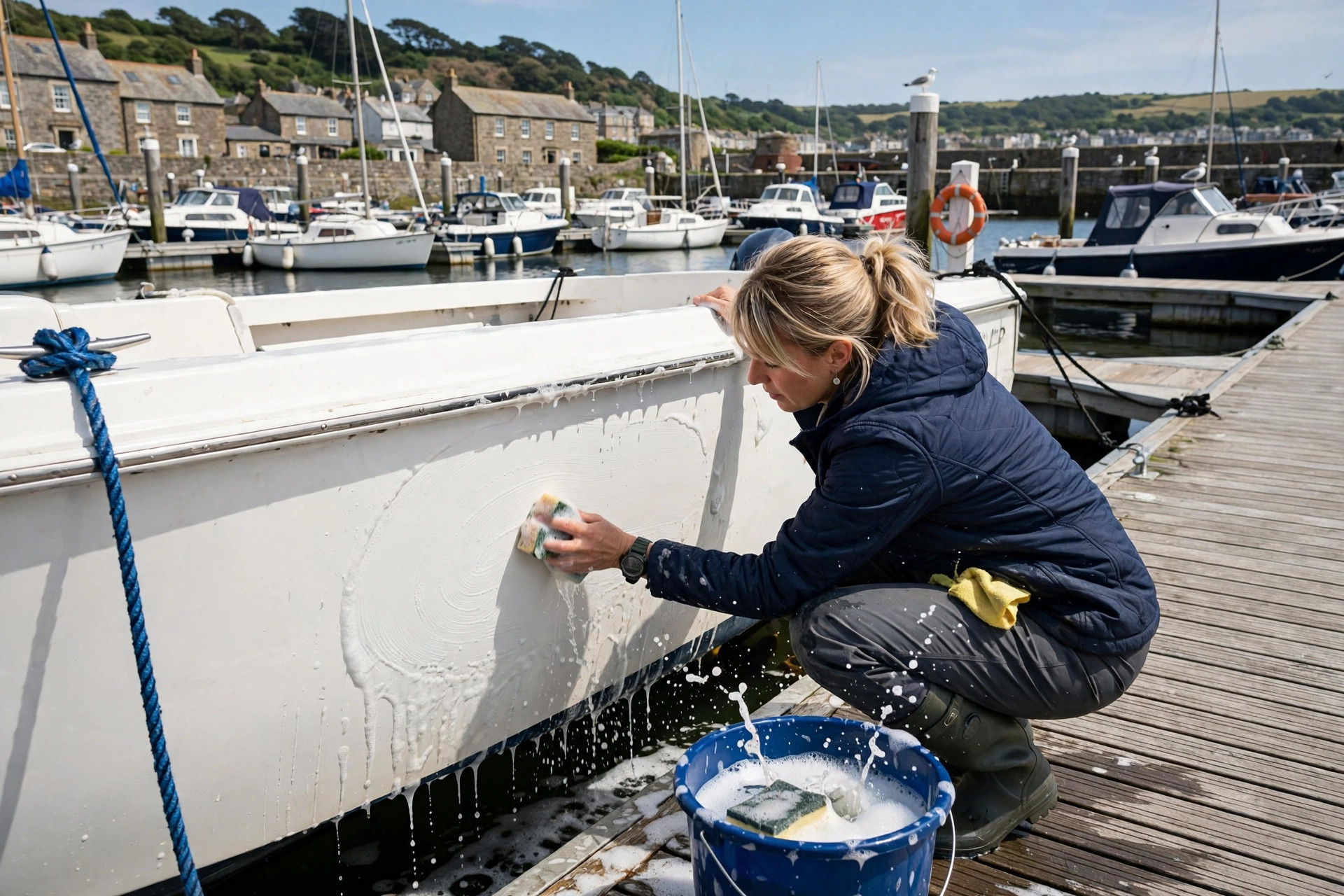
Boats are not cheap by any measure, and most owners want theirs to last as long as possible. Regular upkeep lets you get years out of your vessel before you must think about selling or replacing it. When your boat is in regular use, rinse it after every trip, especially in seawater, to remove salt, dirt and grime. Check the hull regularly for cracks, blisters or other damage, and repair any problems straight away. Inspect the battery and electrical connections at regular intervals, and service the engine on schedule.
When the boat is not in use, remove cushions, life jackets or towels that can trap moisture and cause mould. Vacuum any standing water and use moisture absorbers to keep the cabin dry. Clear out all snacks and drinks so they do not attract mice or pests. Fill the fuel tank completely and add a fuel stabiliser, then turn off and completely remove the batteries and store them in a cool, dry place. Finally, cover the boat with a fitted cover and keep it in a dry storage unit, a covered outdoor facility or safely parked on its trailer at home.
Better performance means lower fuel costs
Clean hulls, properly tuned engines and proper fittings all reduce drag and strain on your boat, which helps increase efficiency. An engine that works harder than it should burns more fuel, and over a full season those extra fuel costs can add up. Keeping the boat clean and serviced is therefore not only good for the vessel, it is good for your fuel budget too.
Good care means a higher resale value
There may come a time when you decide to upgrade your boat or even sell it. A vessel with a well documented maintenance history often has a better resale value, because the buyer knows it has been well cared for. Neglected boats, in contrast, typically sell for much less, since buyers know they will be facing repairs and may want a discount. Keep a record of all services, repairs and inspections. Paperwork shows that you have consistently cared for the boat and gives a potential buyer confidence.
Safety first, and budget for the upkeep
Regular boat maintenance also keeps you safe on the water. Breakdowns on the water are dangerous and stressful, as well as extremely expensive to fix, so check your safety gear, engine and electrical systems before each trip. Preventive care helps you avoid towing bills, fewer ruined outings and greater peace of mind every time you sail.
It always helps to plan ahead for routine care. Setting aside a little money each month makes handling seasonal servicing and unexpected repairs significantly easier. If larger repairs or upgrades catch you off guard, there are other ways to tackle them. While some boat owners use their savings, others explore financing options such as personal loans.
What this means for UK boat buyers
Maintenance is part of the true cost of owning a boat, not an optional extra. When you work out what you can afford, add loan payments, insurance, marina fees, fuel and upkeep together. Our boat affordability calculator can help you see the full monthly picture before you commit to a purchase. And when the time comes to sell, a clean service record protects your resale value, which matters if you still owe money on the boat. If you are buying second hand, always ask for the maintenance history, and use our used boat loan calculator to check what the finance would cost. You can also compare loan options first with our boat loan calculator.
Source: OneMain Financial via ACCESS Newswire

Michael Carter is a financial research writer specializing in vehicle financing, loan calculations, interest rates, and consumer budgeting. He creates practical, easy-to-understand resources that help readers make more informed financing decisions.