
Vision Marine Activates Boat Inventory Financing Facility for Nautical Ventures
Vision Marine Technologies Inc (NASDAQ: VMAR) has activated a floor plan financing facility with Northpoint Commercial Finance LLC to fund eligible boat inventory purchases across its wholly owned Nautical Ventures retail platform, the company announced on 6 October 2026.
What the Northpoint facility covers
The arrangement is a form of boat inventory financing known in the trade as floor plan finance. It gives Nautical Ventures a pay-as-sold credit line: the dealer group can draw on it to buy qualifying boats for its showrooms and repay the borrowing as each boat sells to a customer. Northpoint already had an established financing relationship with Nautical Ventures, so the activation builds on an existing partnership rather than starting from scratch. The company said the facility is available subject to its terms and borrowing requirements.
Why boat inventory financing matters for dealers
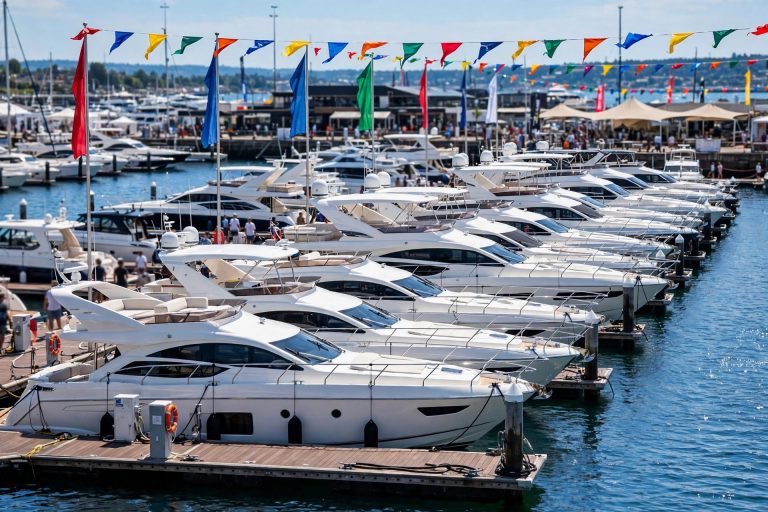
Floor plan finance is the engine room of boat retail. Dealers need capital tied up in stock long before a buyer walks through the door, and an inventory financing line lets them keep showrooms full without draining working capital. Vision Marine said the move supports its push for inventory discipline, efficient floor plan use and better capital allocation since it acquired Nautical Ventures in June 2025. The facility lets the group selectively restock the boats customers are actually buying, based on real sales data rather than guesswork.
“Activating this facility gives Nautical Ventures additional flexibility to replenish high-demand inventory while maintaining the disciplined approach to inventory and capital management we have implemented,” said Alexandre Mongeon, chief executive of Vision Marine, as reported by PR Newswire.

Vision Marine’s electric boat business
Vision Marine Technologies is a marine technology and recreational boating company listed on the Nasdaq under the ticker VMAR. It develops electric marine propulsion systems and sells boats directly to consumers through Nautical Ventures, its multi-brand retail platform. The combination of manufacturing and retail is unusual in the marine industry, and the company says the financing strengthens its ability to respond to customer demand across that platform.

What this means for UK boat buyers
The story is American, but the mechanics apply in the UK too. A dealer with a healthy inventory financing line can hold a wider range of stock, which means more choice on the forecourt and, often, sharper finance offers as dealers compete to move boats. In the UK, dealer-arranged finance is common, but it is rarely the only option. Before signing, compare the dealer’s offer against an independent marine loan using a boat loan calculator, so you can see the monthly payment, total interest and total amount repayable side by side.
If you are looking at a pre-owned boat from dealer stock, run the numbers through a used boat loan calculator as well, since rates and terms for second-hand boats can differ from new-boat deals. And if the sums point to a larger purchase, a marine mortgage calculator can model longer terms and bigger balances.
Source: Yahoo Finance
Dealer finance or an independent loan: how to compare
When a dealer has a healthy inventory financing line, the showroom stays full and the finance offers can be sharp. That is good for buyers, but it also means you need to compare offers carefully instead of taking the first one you are given.
Dealer finance is convenient. You choose the boat and the finance in the same place, and the dealer handles the paperwork. Sometimes the manufacturer supports the deal with a lower rate or a deposit contribution, which can make the dealer offer genuinely cheaper than anything else available. But convenience is not the same as value, and a smooth sales process can hide an expensive loan.
An independent loan works the other way round. You arrange the finance yourself, usually through a bank or a marine lender, and then you buy the boat as a cash buyer. That can give you room to negotiate on the price, because the dealer is not earning anything from your finance. It also means you can compare the loan on its own terms, without the price of the boat mixed into the same conversation.
The only fair way to compare the two is to look at the same numbers for each offer. Check the annual percentage rate, the loan term, the total amount repayable, and any fees. A lower monthly payment is not a better deal if it comes with a longer term and far more interest. Our guide to boat loan interest rates explains what a good rate looks like and what pushes a rate up or down.
Ask both sides the same questions. Is there a fee for arranging the loan? Can you repay early, and is there a charge for doing so? What happens if you want to sell the boat before the loan ends? The answers matter as much as the rate, because a cheap loan with a heavy early repayment charge can cost more than a slightly dearer loan with no penalties.
Before you sign, read our comparison of dealer financing versus bank loans and our guide to boat loans versus personal loans. Both explain the trade offs in plain terms, so you can choose the finance that fits your plans rather than the one that was easiest to sign.

Michael Carter is a financial research writer specializing in vehicle financing, loan calculations, interest rates, and consumer budgeting. He creates practical, easy-to-understand resources that help readers make more informed financing decisions.