Electric Seaglider Maker REGENT Lands $5 Billion in Orders
Electric Seaglider Maker REGENT Lands $5 Billion in Orders
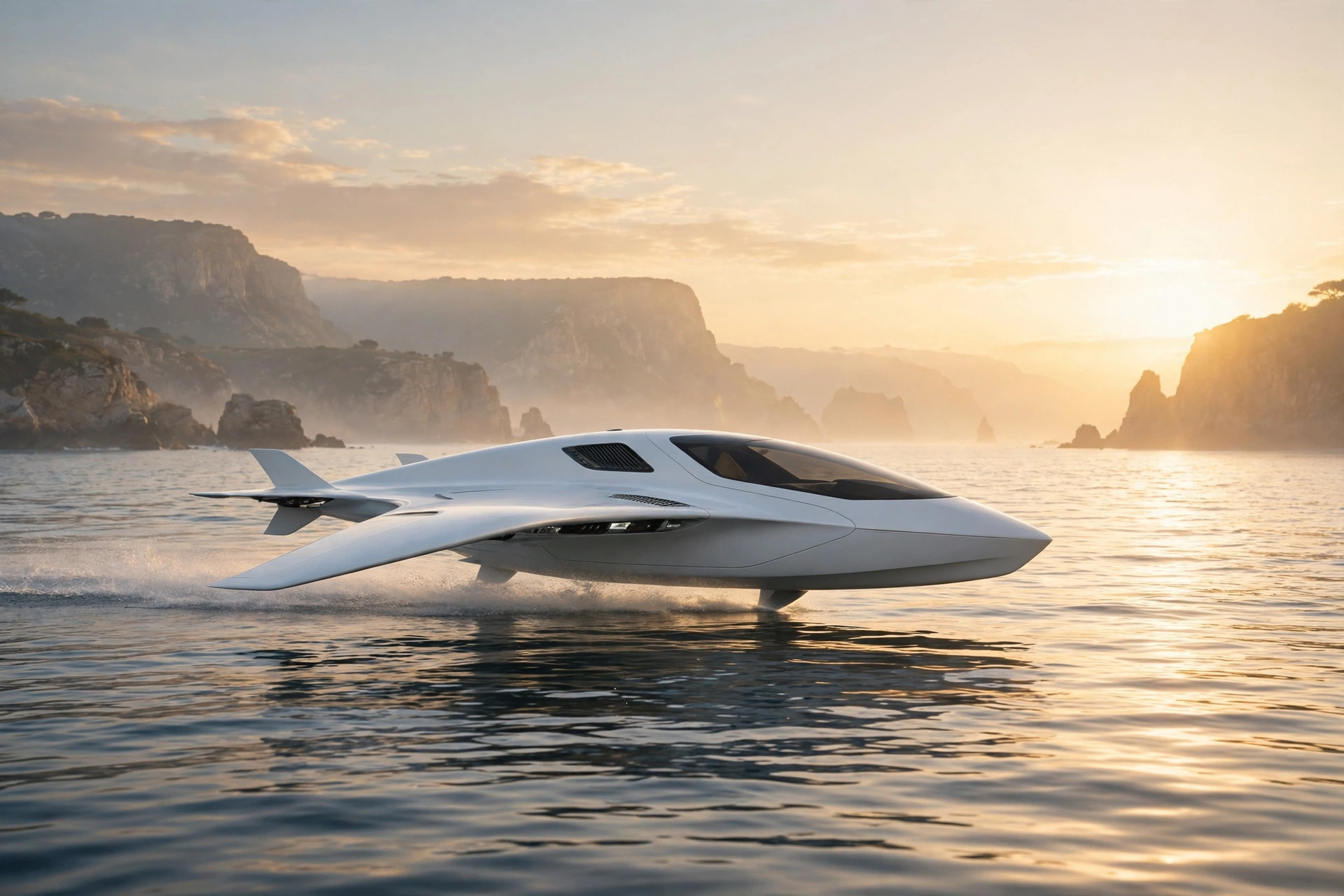
Electric seaglider maker REGENT has built up $5 billion in orders for its battery powered craft that flies just above the water. The Rhode Island startup’s Viceroy seaglider carries 12 passengers and two crew, cruises at around 180 mph and is aimed at ferry operators, airlines, oil and gas companies and luxury travel customers.
The news was reported by FreightWaves on 6 November 2026, in a feature based on an interview with REGENT chief executive and co-founder Billy Thalheimer. The company has now opened a 250,000 square foot factory in Rhode Island, where the craft will be built in the United States from the start.
What is an electric seaglider?
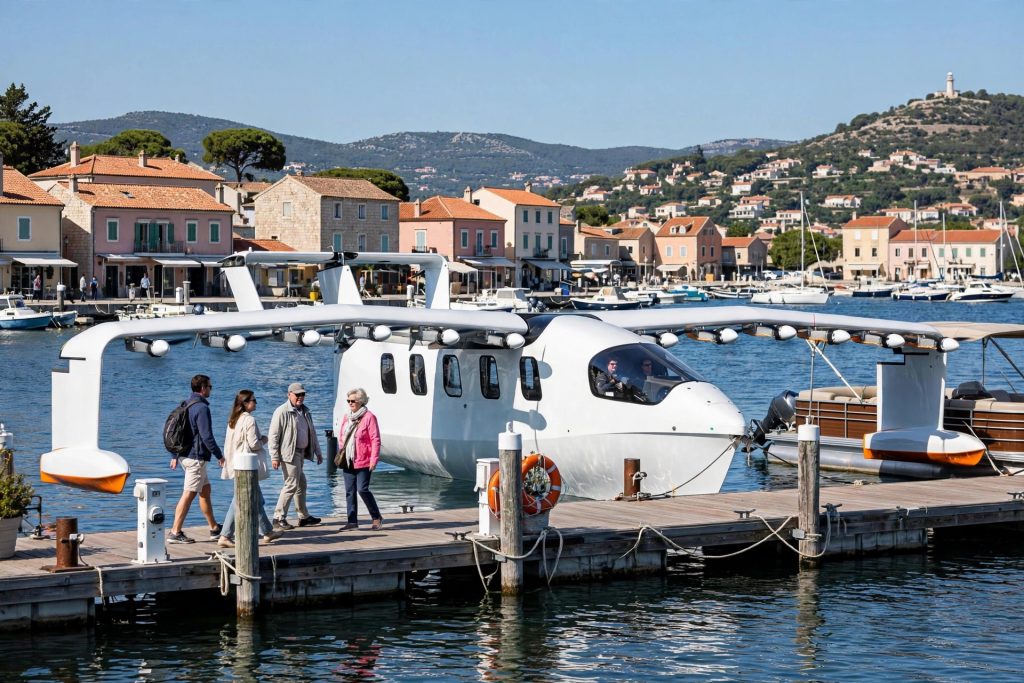
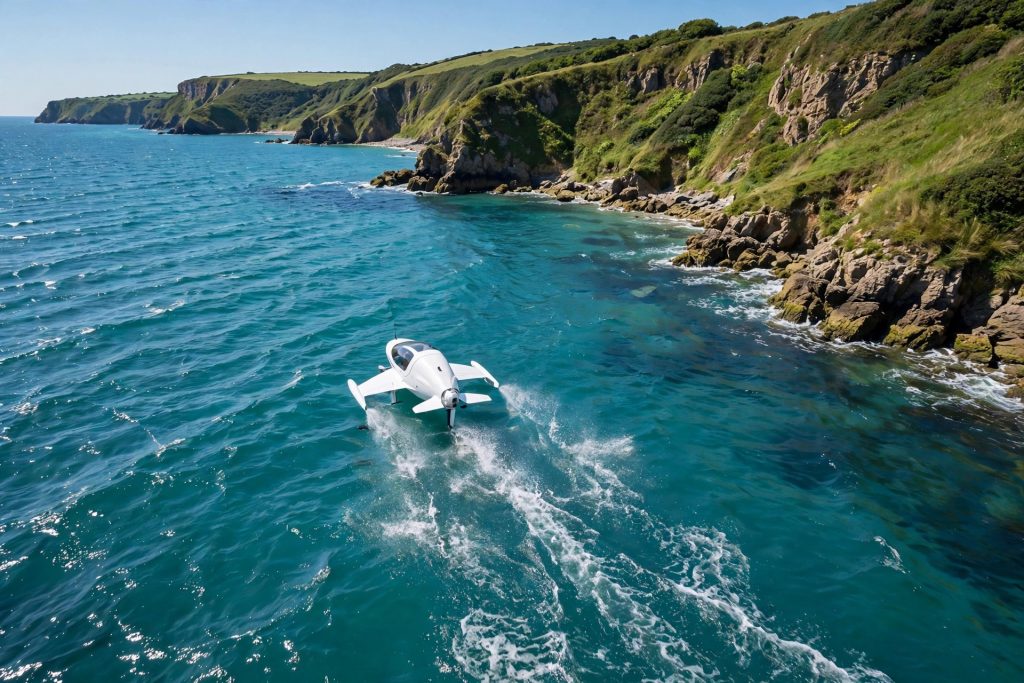
A seaglider is a craft that blends a boat and a plane. It operates in three modes: float, foil and fly. Once it reaches speed it rises onto a cushion of air over the water, a principle known as ground effect, and cruises at about 30 feet above the surface. Because it stays within one wingspan of the water at all times, it is classed as a wing in ground craft rather than an aircraft.
That classification matters. The International Maritime Organization and the International Civil Aviation Organization treat seagliders as maritime vessels, which puts the US Coast Guard, not the Federal Aviation Administration, in charge of certification. Thalheimer says the company is working through Coast Guard certification now, with first commercial deliveries targeted for late 2027 or early 2028 and sea trials and commercial operations planned for 2028.
The Viceroy weighs 15,000 pounds and is built for short coastal hops. Its battery electric range is about 180 miles, which suits island and coastal routes where ferries are slow and short flights are expensive. Takeoff is engineered at around 50 mph using a blown wing system, with small propellers spread across the wing forcing fast moving air over its surface to create lift at low speed. Triple redundant fly by wire controls handle pitch, roll and altitude automatically, so operators only steer left and right and control speed.
Who is buying and where will they fly?
The $5 billion order book spans ferry operators, airlines, oil and gas companies and luxury travel customers. Thalheimer says the craft will serve island and coastal communities first. “We will service those. We can do some of the American island chains, Caribbean, Puerto Rico, stuff like that. Alaska, places where you don’t have these sort of rush services. But then internationally, we can service every single coastline,” he said.
REGENT is also developing a hybrid defence version with a range of around 1,600 statute miles, enough to hop between Pacific island chains for logistics, medical evacuation and sensor missions. The company says the craft will be built in the United States and crewed by American crews, meeting Jones Act requirements for domestic coastal transport. “We view it as a requirement and something we are doing anyways,” Thalheimer said.
What this means for UK boat buyers
Seagliders are not on sale to private buyers yet, and the Viceroy is a commercial craft, not a leisure boat. But the $5 billion order book is a strong signal about where marine technology is heading. Battery electric propulsion, once limited to small lake boats, is now being scaled up to commercial craft carrying a dozen passengers at 180 mph. That investment will push battery, motor and charging technology forward for the whole marine industry, including the electric boats UK buyers can already purchase.
For anyone thinking about an electric boat today, the running costs are already attractive: electricity is cheaper than petrol or diesel per mile, electric motors have far fewer moving parts to service, and many marinas now offer shore power charging. Before you buy, it is worth checking the full ownership cost, not just the sticker price. A boat loan calculator can show the monthly payment and total interest on the boat you want, while a boat affordability calculator helps you set a realistic budget that leaves room for insurance, mooring and maintenance.
Electric boats are already covered in our guide to boat types eligible for finance, and most UK marine lenders will finance electric and hybrid craft that meet their usual valuation and condition standards. If a seaglider style future ever reaches the leisure market, the finance questions will be the same ones buyers ask today: what is the total cost, what does the lender require, and does the monthly payment leave room for everything else that comes with owning a boat?
Source: Yahoo Finance (FreightWaves)

Michael Carter is a financial research writer specializing in vehicle financing, loan calculations, interest rates, and consumer budgeting. He creates practical, easy-to-understand resources that help readers make more informed financing decisions.