
US Boat Sales Dip 3.8% as Dealers Brace for Higher Rates
New-boat registrations in the United States fell 3.8% against the 12-month rolling average through July 2026, according to new data from Info-Link reported by Trade Only Today. Total registrations across all segments came to 211,459. Yet despite the softer market, dealers are in better health than they were during the 2024 and 2025 model years, with fewer defaults, quicker inventory turns and a smaller stock of ageing boats.
What the registration numbers show
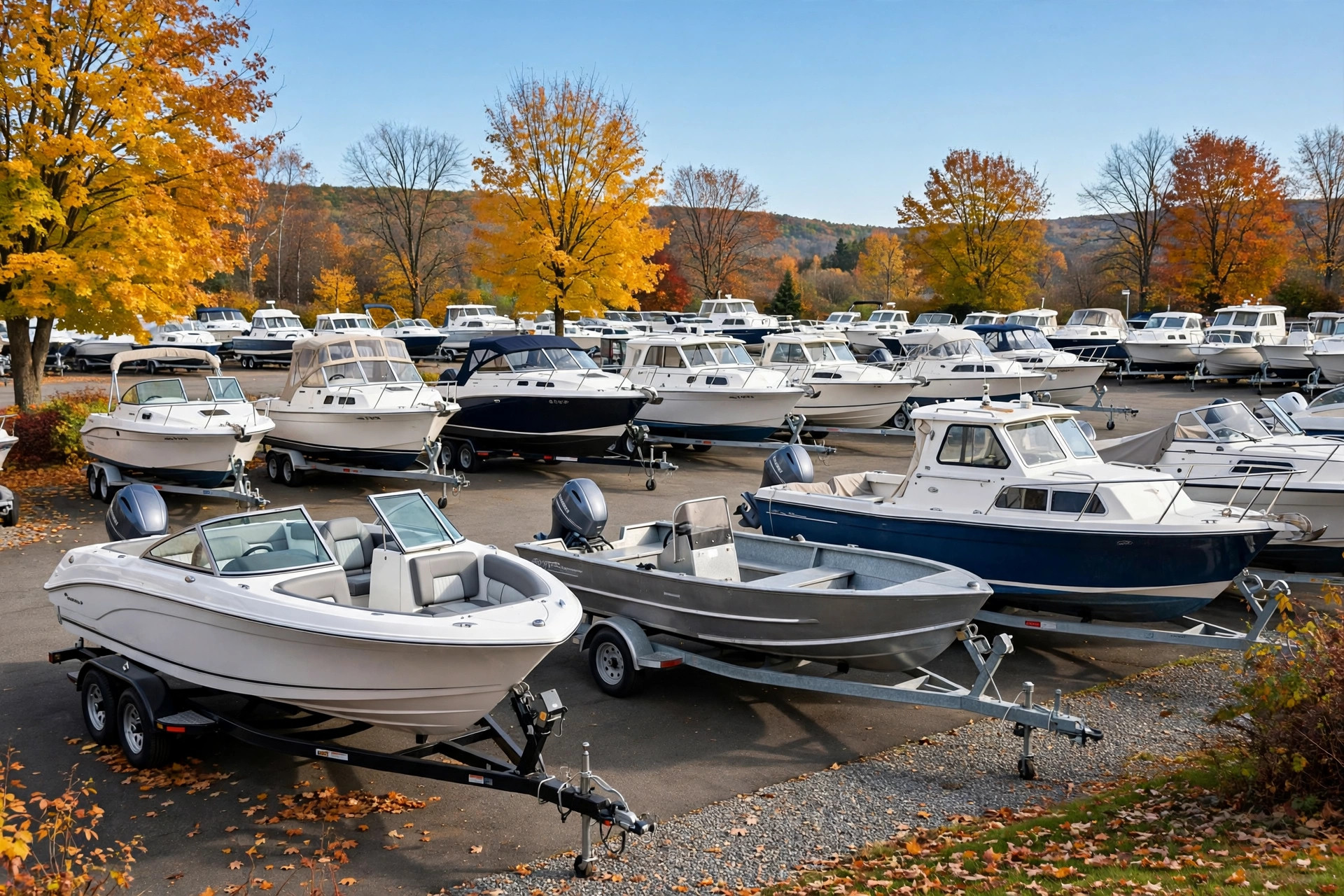
The decline was spread across most powerboat segments. Towboats were down 8.7% at 7,457 units sold, runabouts fell 15.1% to 12,546 units, and pontoons slipped 7.3% off their 12-month average to 46,167 units.
Two categories bucked the trend. Freshwater fishboats gained 1% on their 12-month average with 55,094 units sold, continuing a steady climb in the segment’s running average. The unclassified and other category, which covers houseboats, fliteboards, airboats and other watersports craft, rose 8.2% to 5,422 units.
Saltwater fishboat sales were 3.2% below their 12-month average at 21,293 units. The cruiser and yacht category fell 8.5% to 4,408 units, while personal watercraft sales were 6% under their rolling average at 59,072 units.
Dealers in stronger shape than in 2024 and 2025
Russell Baqir, senior vice president of business development at Northpoint Commercial Finance, said the market has performed better than it did in the 2024 and 2025 model years. Based on dealer inventory payoffs and turnover rates, inventory turns improved over the period, while the share of ageing inventory declined to approximately 20%, down from a higher percentage in 2025. “Although the market is contracting and less new inventory is in the field, dealer performance is improving,” he said.
Freshwater fishing continues to outperform, with inventory turning at two times, and towboats remain a bright spot with turns of 1.7 times. In both categories, boats ageing past 12 months sit below 15% of stock.
The picture is not uniform. In September, Nadeau’s Marine in Maine declared bankruptcy. Baqir said dealer bankruptcies and acquisitions are part of this phase of the boat market cycle, noting that defaults and business failures peaked in 2024 and 2025 and have been declining through the 2026 model year. Most dealers that exited the market did so without defaulting and successfully liquidated their inventory, while consolidations and acquisitions continue. The dealer footprint keeps contracting, bringing stock levels closer in line with consumer demand.
Among the bigger state markets, Florida was 5% below its 12-month average at 27,384 units, Texas was down 2% at 15,935 units, Michigan was 2% below average at 11,419 units, and North Carolina was down 2% at 9,509 units. The Southeast showed pockets of strength: Georgia rose 2% to 7,904 units, Mississippi jumped 22% to 2,823 units, and Arkansas was up 4% at 3,745 boats on the yearly average.
Why interest rate timing matters for boat buyers
Baqir said the timing of recent interest-rate increases is more favourable in the third and fourth quarters than in the first and second. Although consumer lending rates are not driven solely by the federal funds rate, changes in that rate can affect consumer confidence, and the current timing gives consumers room to adjust expectations before the boat-show and primary selling seasons.
The first to feel higher rates will likely be dealers carrying non-current and used inventory, along with manufacturers offering interest-rate assistance through the autumn and winter months. For anyone thinking about financing, running the numbers now with a boat loan calculator will show how even a small change in boat loan rates moves the monthly payment before you walk into a dealership.
Baqir added that the contraction in new-boat inventory is not the only measure of the marine market’s health. Tracking growth in boat-club membership and used-boat sales gives a clearer picture of whether consumers are leaving boating altogether or simply finding more affordable ways to stay on the water. Buyers eyeing the secondhand market can model those purchases on the used boat loan calculator to compare new versus used financing costs.

What this means for UK boat buyers
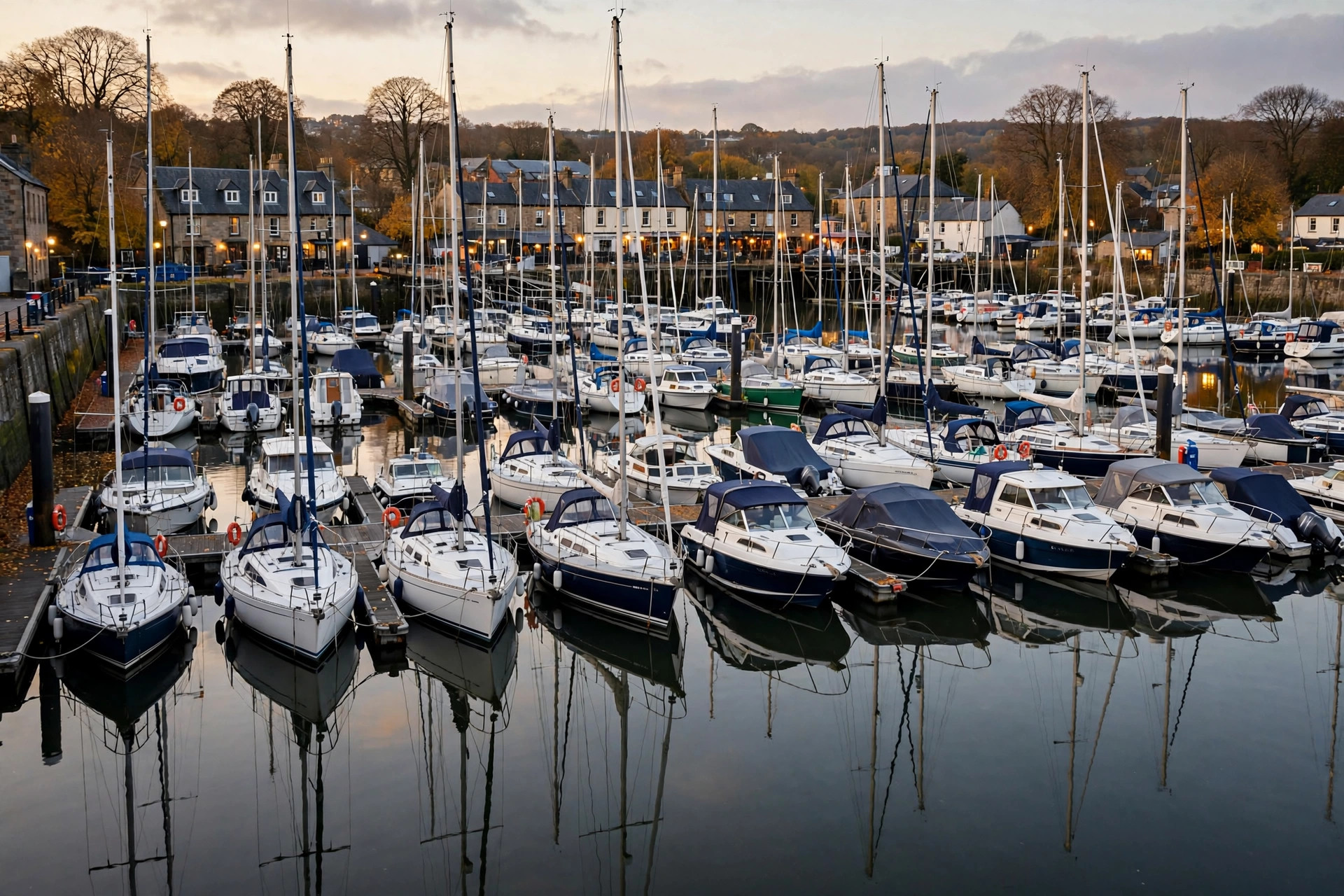
The US seasonal pattern is familiar to UK buyers: as autumn sets in, demand cools, fewer shoppers turn up, and dealers become more open to negotiation. Falling new-boat registrations plus a leaner stock of ageing inventory is the classic setup for an off-season bargain, and the used market is worth a serious look while dealers focus on clearing older stock.
If interest rates move higher into winter, the lesson from the US is to prepare early. Test your budget against a higher rate scenario, keep a realistic view of boat affordability, and remember the monthly loan payment is only one part of the cost. Insurance, maintenance, fuel and mooring all add to the true monthly ownership figure before you commit.
Source: Trade Only Today

Michael Carter is a financial research writer specializing in vehicle financing, loan calculations, interest rates, and consumer budgeting. He creates practical, easy-to-understand resources that help readers make more informed financing decisions.