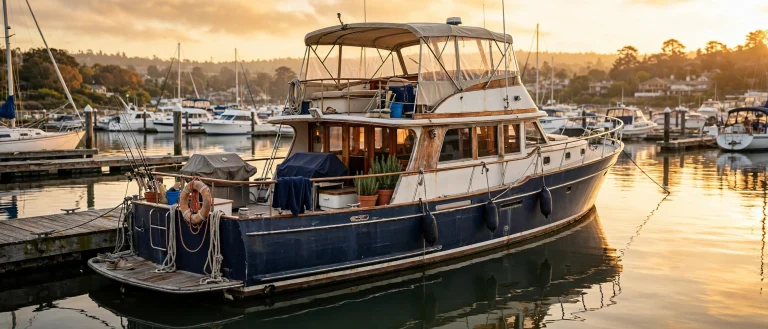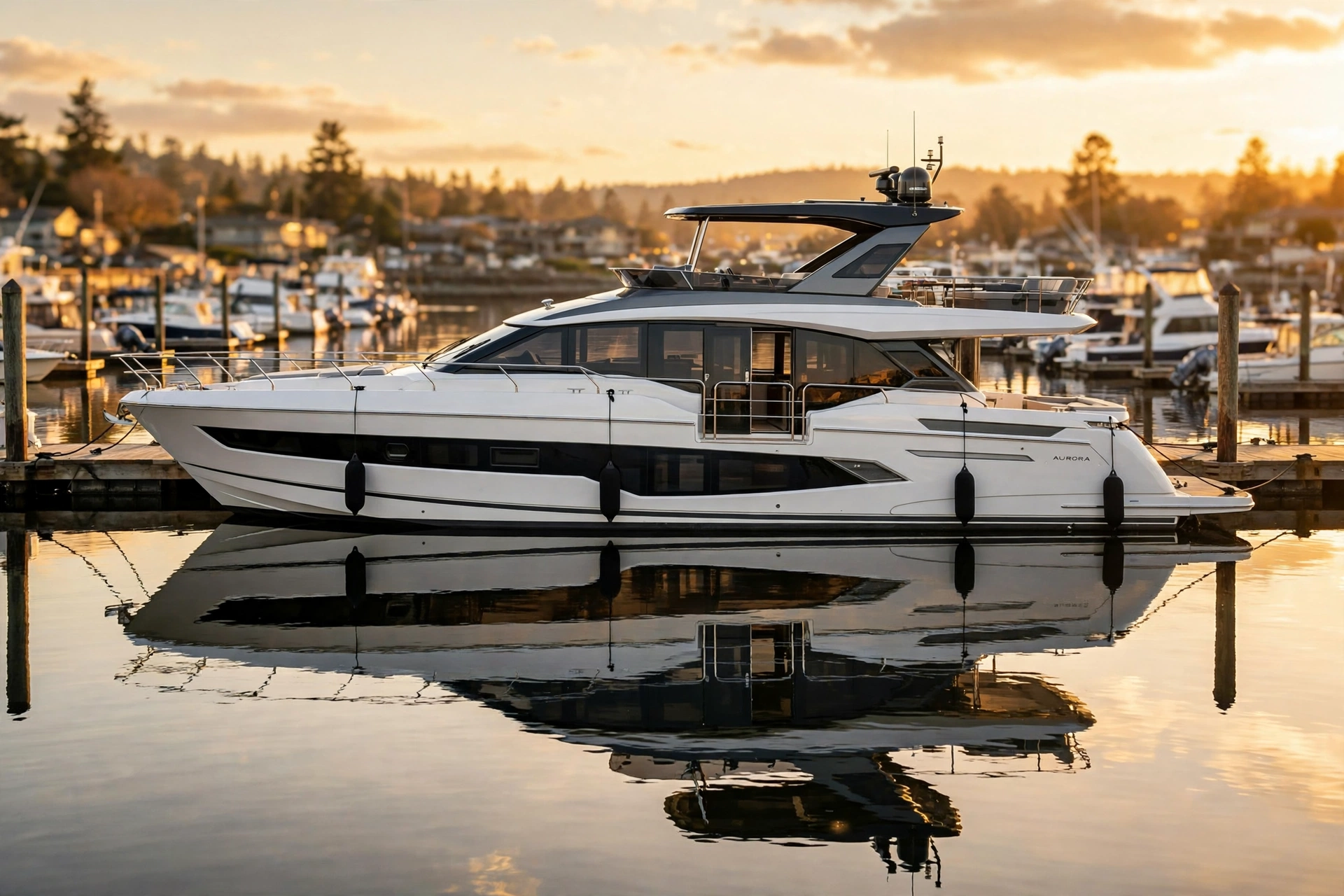
Are 20 year boat loans common?
Yes, 20-year boat loans are common, but only for larger loans. Marine lenders routinely offer 240-month terms on financed amounts of roughly $50,000 or more, especially for newer boats. On smaller boats under about $20,000, they are rare, with most lenders capping terms at 10 to 12 years.
Why do 20-year boat loans exist at all?
Boat loans stretch far beyond the five or six years you would expect on a car loan, and the reason comes down to the asset itself. A well-maintained boat can last 20, 30, even 40 years, so lenders are comfortable spreading repayments over a longer period. The longer term is also a sales tool: it shrinks the monthly payment, which makes a six-figure boat feel affordable even when the total interest tells a different story.
The most common boat loan terms overall are 10, 12, and 15 years. Twenty years sits at the long end of the market, and lenders reserve it for the loans where it makes sense: larger balances on newer, higher-value vessels.
What loan amount unlocks a 20-year term?
Loan amount drives term length more than almost anything else. As a rough industry guide: under $20,000 typically caps at 5 to 10 years; $20,000 to $50,000 at 10 to 15 years; $50,000 to $100,000 at 15 to 20 years; and $100,000 and above opens the full 20-year term, the industry standard ceiling.
Lenders make this tiering explicit. For example, Navy Federal Credit Union offers boat loan terms from 12 to 180 months, but requires at least $25,000 financed for a 61 to 84 month term and at least $30,000 for anything longer than 84 months. Always check your own lender’s minimums before planning around a long term. If you want to compare what different terms do to your budget, run your numbers through our 20-year boat loan calculator or start with the main boat loan calculator on our homepage.
Does the boat’s age matter?
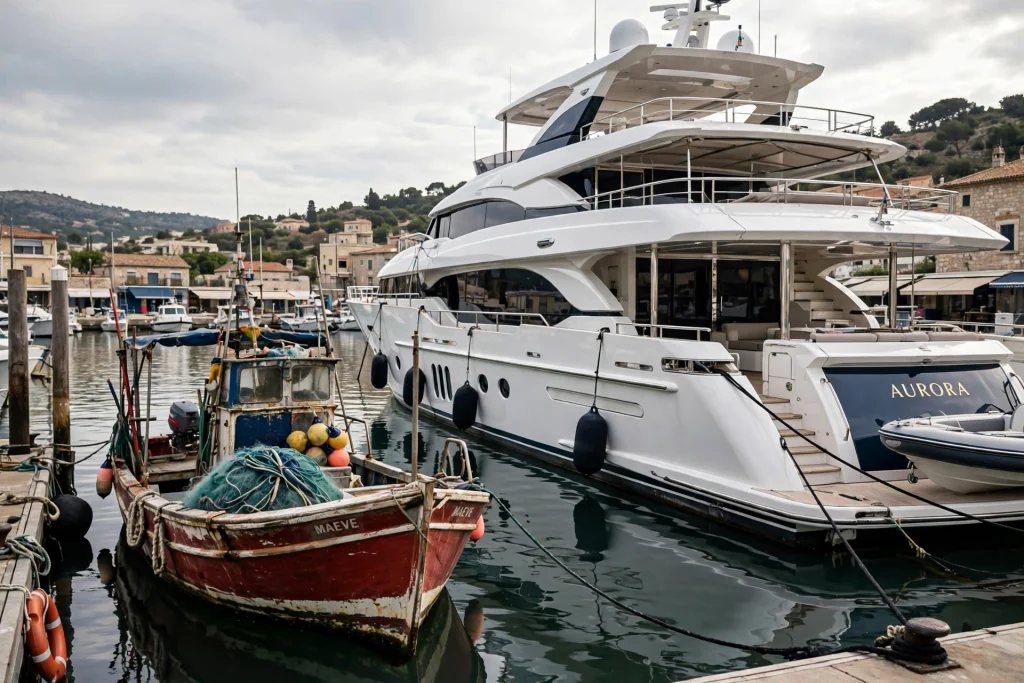
Yes, enormously. Lenders cap terms by the age of the vessel because an older boat depreciates while the loan balance shrinks only slowly. New boats commonly qualify for the full 15 to 20 years. Boats 5 to 10 years old are often capped at 15 years, boats 10 to 15 years old at 10 to 12 years, and boats over 15 years old may only get 5 to 7 years.
The logic is simple: new boats lose roughly 8 to 10 percent of their value in the first year and another 6 to 8 percent a year through year five. A 20-year loan on a boat that is already ten years old would quickly leave the lender underwater if the borrower defaulted. The hull’s age at purchase is one of the first things an underwriter checks, so a 20-year term on a used boat is realistic only if the boat is a late model in excellent condition.
Do you pay a higher interest rate for 20 years?
Usually not much. Your rate depends mainly on your credit score, the boat’s age and value, and the loan-to-value ratio. Term length itself has little direct effect on the rate, although very long terms on older boats can occasionally carry a small premium of around 0.25 to 0.50 percentage points. For a sense of where rates stand right now, see our guide to typical boat loan rates.
What a 20-year term actually costs you
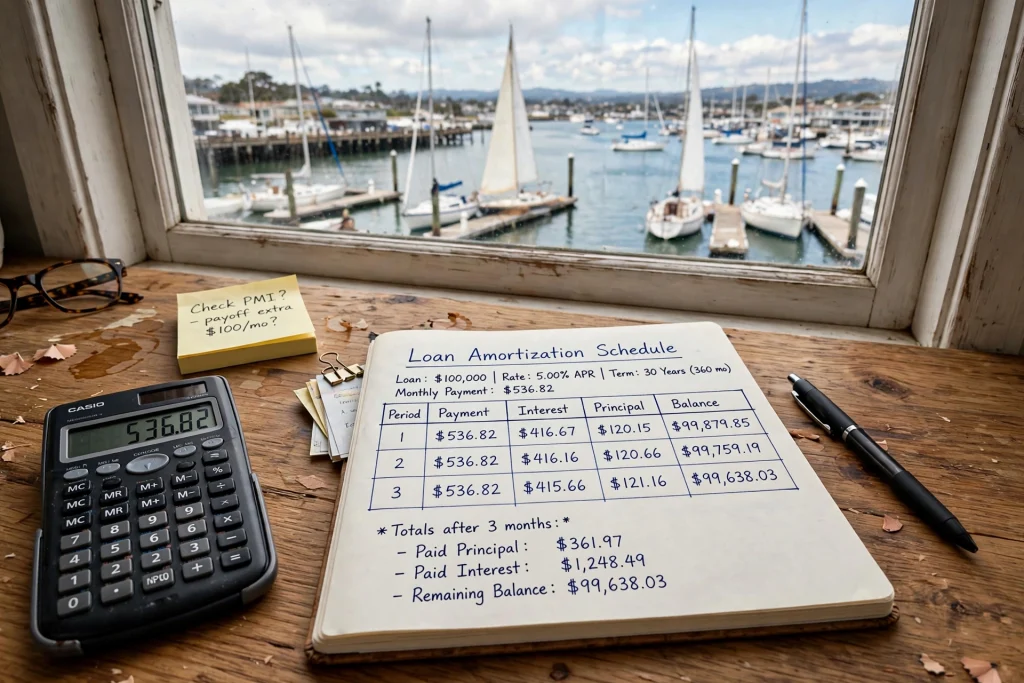
The monthly saving is real, but so is the extra interest. Take an illustrative $100,000 loan at 9% APR with no down payment: a 15-year term costs roughly $1,014 a month with about $82,500 in total interest, while a 20-year term costs roughly $900 a month with about $116,000 in total interest.
That is about $33,000 more in interest for $114 less each month. These are planning figures, not a lender quote, so run your own scenario through a calculator before you commit. And remember that boats depreciate faster than the loan amortises in the early years, which means a 20-year loan can leave the balance above the boat’s resale value for a long stretch. That negative-equity risk is the main reason lenders gatekeep the longest terms.
Before you settle on 20 years, check whether financing a boat for 15 years is smart.
Are 20-year boat loans a good idea?
They are a reasonable tool if you go in with your eyes open. A 20-year term makes sense when the boat’s price demands it and you plan to keep the vessel for a long time. The classic mistake is choosing the longest term simply to afford a boat that is stretching your budget, because full ownership costs (payment, insurance, storage, maintenance) often run 1.5 to 2 times the loan payment alone.
One popular strategy: take the 20-year term for payment flexibility, then make extra payments toward the principal whenever cash flow allows. Most marine loans carry no prepayment penalty, but confirm that in your own loan agreement rather than assuming it. If you are weighing term options, it also helps to know what the longest boat loan term available is and how long most banks will finance a boat before you start negotiating.
FAQs
The FAQ schema added in RankMath covers: Can I get a 20-year loan on a used boat? / What is the average boat loan term? / Do 20-year boat loans have higher interest rates? / Is it smart to finance a boat for 20 years?
Can I get a 20-year loan on a used boat?
Sometimes. A late-model used boat in excellent condition can often still qualify for 15 to 20 years, but lenders cap terms by vessel age. Boats more than 10 to 15 years old are usually capped at 10 to 12 years or less, because the loan balance would outpace the boat’s declining resale value.
What is the average boat loan term?
The most common terms are 10, 12, and 15 years. New boats typically finance for 15 to 20 years, while used boats average 10 to 12 years. Twenty years sits at the long end and is common only for larger loans on newer boats. We cover this in full in our guide to what the average loan term for a boat is.
Do 20-year boat loans have higher interest rates?
Usually not by much. Your rate depends mainly on your credit score, the boat’s age and value, and the loan-to-value ratio. Term length has little direct effect, although very long terms on borderline boats can occasionally carry a small premium of 0.25 to 0.50 percentage points.
Is it smart to finance a boat for 20 years?
It lowers your monthly payment but adds tens of thousands of dollars in total interest and keeps you at negative-equity risk for longer. A common approach is to take the 20-year term for flexibility and then pay extra toward principal when you can. Confirm your loan has no prepayment penalty first.

Michael Carter is a financial research writer specializing in vehicle financing, loan calculations, interest rates, and consumer budgeting. He creates practical, easy-to-understand resources that help readers make more informed financing decisions.