Can You Finance a Boat Slip?
What Kind of Boat Slip Are You Financing?
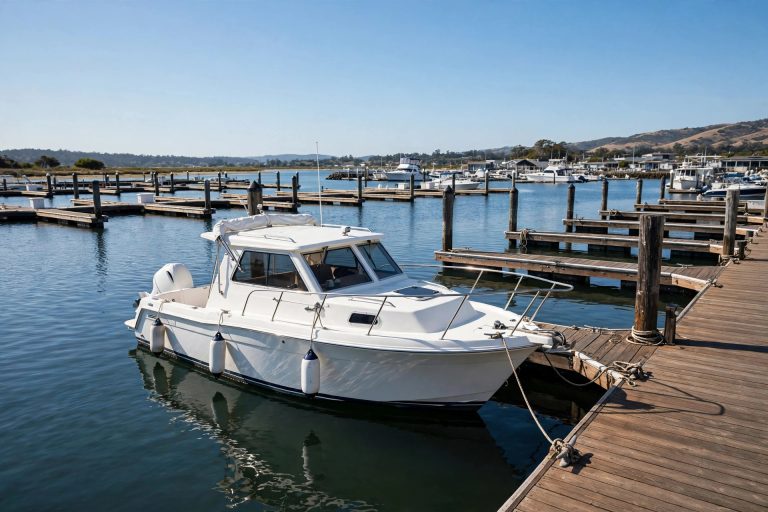
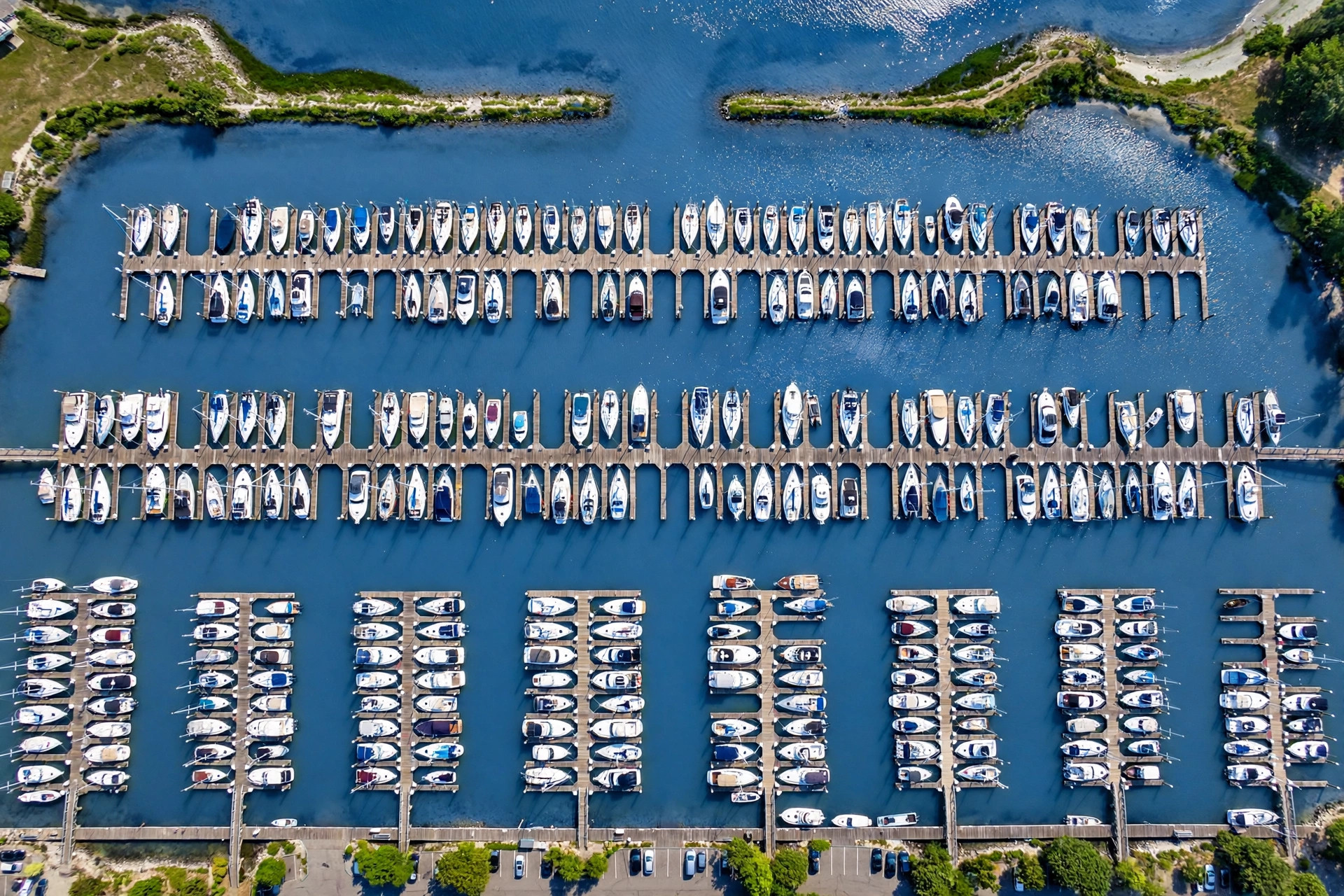
A boat slip is a dedicated berth where your boat parks between finger piers, usually with shore power, water hookups, and dock access. But “slip ownership” can mean very different things, and the type you buy decides how easy it is to finance.
- Annual or monthly slip lease: you rent from a marina and hold no ownership interest. Most boaters do this and simply pay rent. There is nothing to borrow against, so financing does not apply.
- Dockominium: you own the slip condo-style, with a recorded deed and monthly association dues, and you can sell or transfer it.
- Deeded fee-simple slip: you own the individual slip outright with a recorded deed, plus an interest in the marina’s common elements.
Lenders are far more comfortable with dockominiums and deeded slips because there is real property serving as collateral. A lease gives them nothing to secure the loan against.
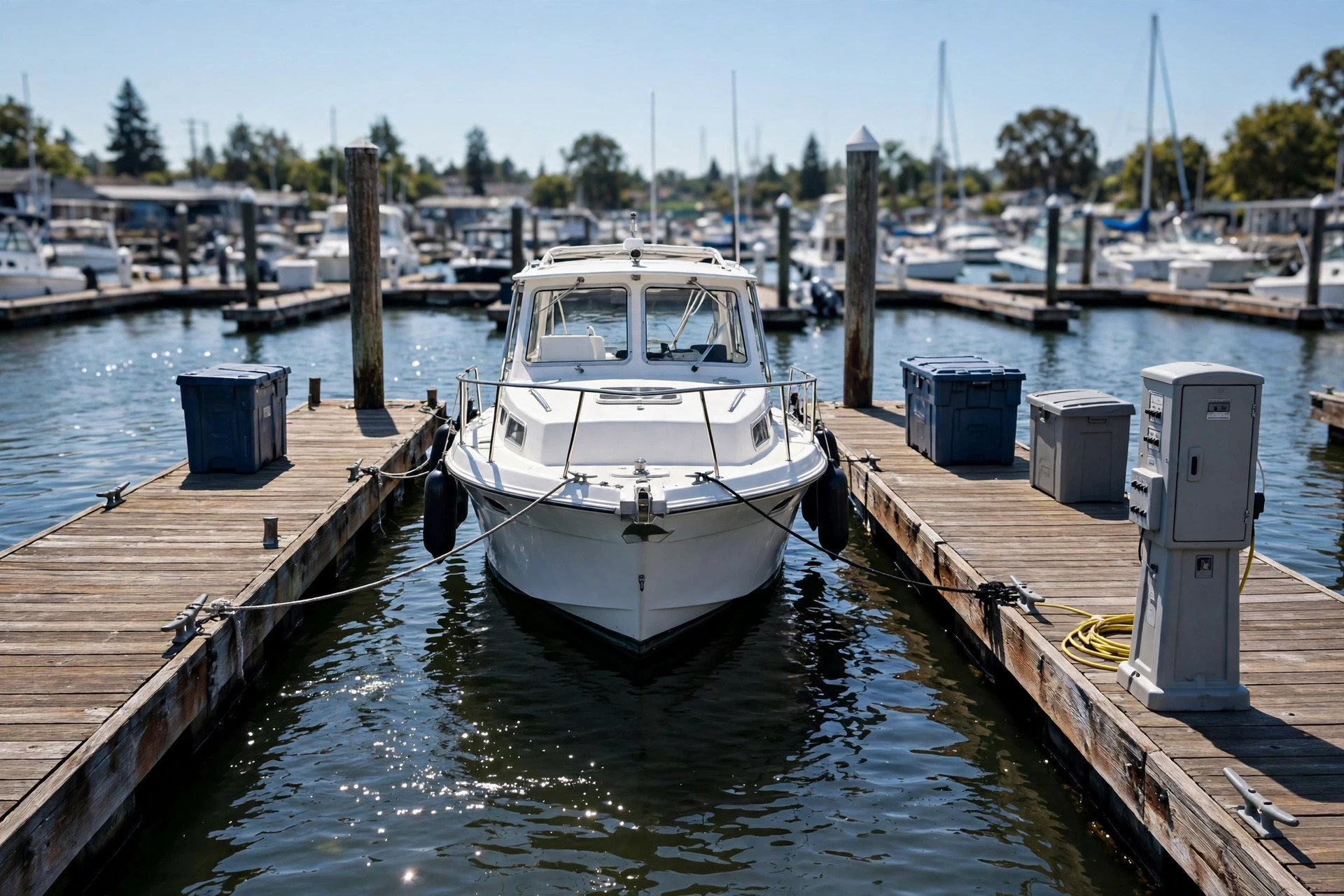
Can You Finance a Boat Slip Through a Lender?
Yes. Four main financing paths work for most buyers:
1. Specialty marine lenders
A small group of marine and slip lenders finance dockominiums and deeded slips. In 2026, typical terms run 30 to 50 percent down, 10 to 15 year amortization, and rates about 1 to 2 points above conventional 30-year mortgages. Conventional mortgage lenders rarely finance slips on their own, because a bare slip does not fit their underwriting box.
2. Personal loans
Unsecured personal loans work well for smaller slip or dock purchases. Some lending platforms accept credit scores from 600 upward, with terms up to 12 years for well qualified borrowers. No collateral is required, but rates run higher than secured options. Compare boat loan vs personal loan structures to see how the tradeoffs differ from vessel financing.
3. Home equity line of credit
Many buyers fund a slip purchase with a HELOC on their primary residence. You will typically need 15 to 20 percent equity in your home and a credit score of about 621 or better. See our boat loan vs home equity loan breakdown for a full comparison of the two approaches.
4. Rolled into a residence purchase
If the slip comes with a waterfront condo or home, its value can usually be financed inside the home loan. This is by far the most common path when a slip is bundled with real estate.
What Lenders Look For
Before approving a slip loan, lenders want to see:
- A deeded or dockominium slip with clear title. They are far less willing to finance a lease.
- The slip’s appraised value and the marina’s overall stability.
- Your credit score, income, and debt-to-income ratio. Good credit and steady cash flow matter as much here as in any other loan.
- The association’s health for dockominiums: monthly dues, reserves for dock and piling repairs, and any special assessments on the horizon.
Use our boat loan APR calculator to estimate what different loan amounts, rates, and terms would cost you per month before you apply.
How Much Does a Boat Slip Cost?
Prices vary widely by location and slip size. Financing platform data puts simple docks and slips between about $3,677 and $27,464 and up, while 2026 figures for deeded slips in Northeast Florida run roughly $25,000 to $150,000 and more depending on length, depth, and amenities. Covered slips and slips with boat lifts command a premium.
And the purchase price is only the start. Annual carrying costs for a dockominium-style 40-foot slip can run $4,600 to $13,000 per year, covering association dues, property tax, slip-unit insurance, electricity, and reserve contributions. Budget for those before you choose a loan amount, or they will surprise you in the first year. For the vessel itself, our boat insurance guide explains the coverage types that matter most when a lender holds your boat as collateral.

Can You Add a Slip to Your Boat Loan?
Usually not in the same loan. Boat loans are secured by the boat, and lenders generally will not let you borrow much more than the vessel is worth. If you want to finance a boat and a slip or dock at the same time, expect two separate loans, each with its own rate and term.
Steps to Finance a Boat Slip
- Set your budget. Decide on a down payment you can afford and a monthly payment that fits your finances. Larger down payments reduce monthly costs, so put down a substantial amount if you can.
- Compare lenders. Look at interest rates, minimum credit requirements, and loan terms, and get quotes from a few providers before committing.
- Apply. Applications usually ask for employment information, credit details, and your financial assets.
- Finalize the purchase. Sign the paperwork and close according to the lender’s instructions, then keep up with the monthly payments to avoid fees.
Is Financing a Boat Slip Worth It?
Buying gives you guaranteed full-time storage, protection against rising rental rates, and possible appreciation in high-demand boating areas. But go in with open eyes: the slip resale market is thin, with sales often taking 60 to 365 days, and loan interest on a bare slip is generally not tax deductible the way a home mortgage is.
If the numbers work and you plan to keep the boat in one marina for years, financing a slip can make sense. If you are unsure about the location or your long-term plans, renting keeps things simpler.

Michael Carter is a financial research writer specializing in vehicle financing, loan calculations, interest rates, and consumer budgeting. He creates practical, easy-to-understand resources that help readers make more informed financing decisions.