How to Finance Boat Repairs and Upgrades: 6 Options That Work
A blown engine, a hull full of blisters, or a dead navigation system can turn into a five-figure bill almost overnight. When the repair estimate lands, most owners ask the same question: how do I pay for this without emptying my savings? The good news is that boat repair financing comes in several forms, from refinancing your current marine loan to fast unsecured loans built for exactly this situation. This guide walks through what repairs typically cost, the six main ways to pay for them, and how to pick the cheapest option for your situation.
What boat repair financing usually covers
Repair bills vary enormously, but these are the jobs owners most often need to finance:
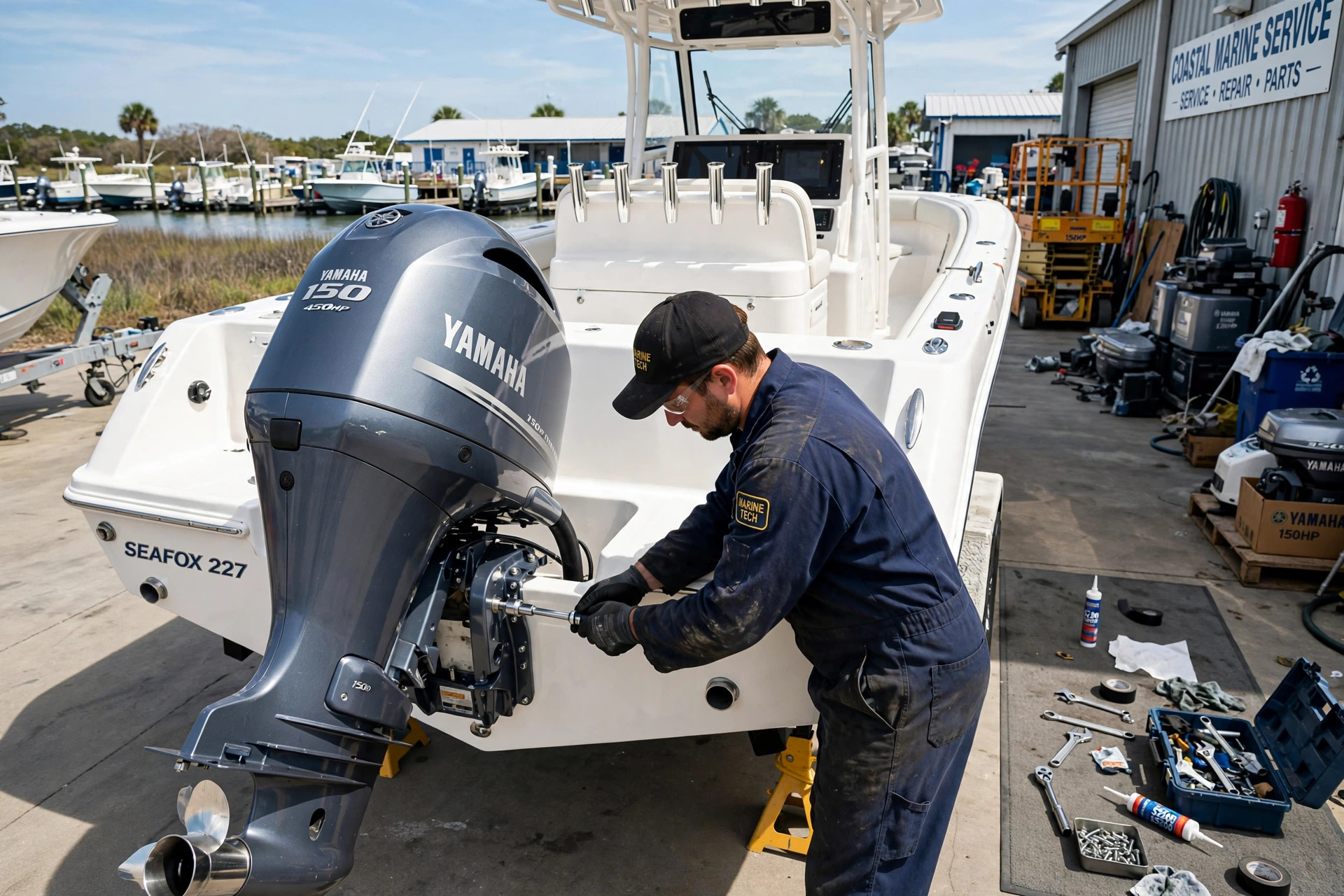
- Engine repower or rebuild. Replacing an outboard in 2026 typically costs about $8,000 installed for a small motor, $15,000 to $30,000 for a mid-range outboard, and $30,000 to $50,000 for a large single outboard, with twin-engine and diesel repowers running far higher. Labor usually adds another 10 to 25 percent on top of the engine price.
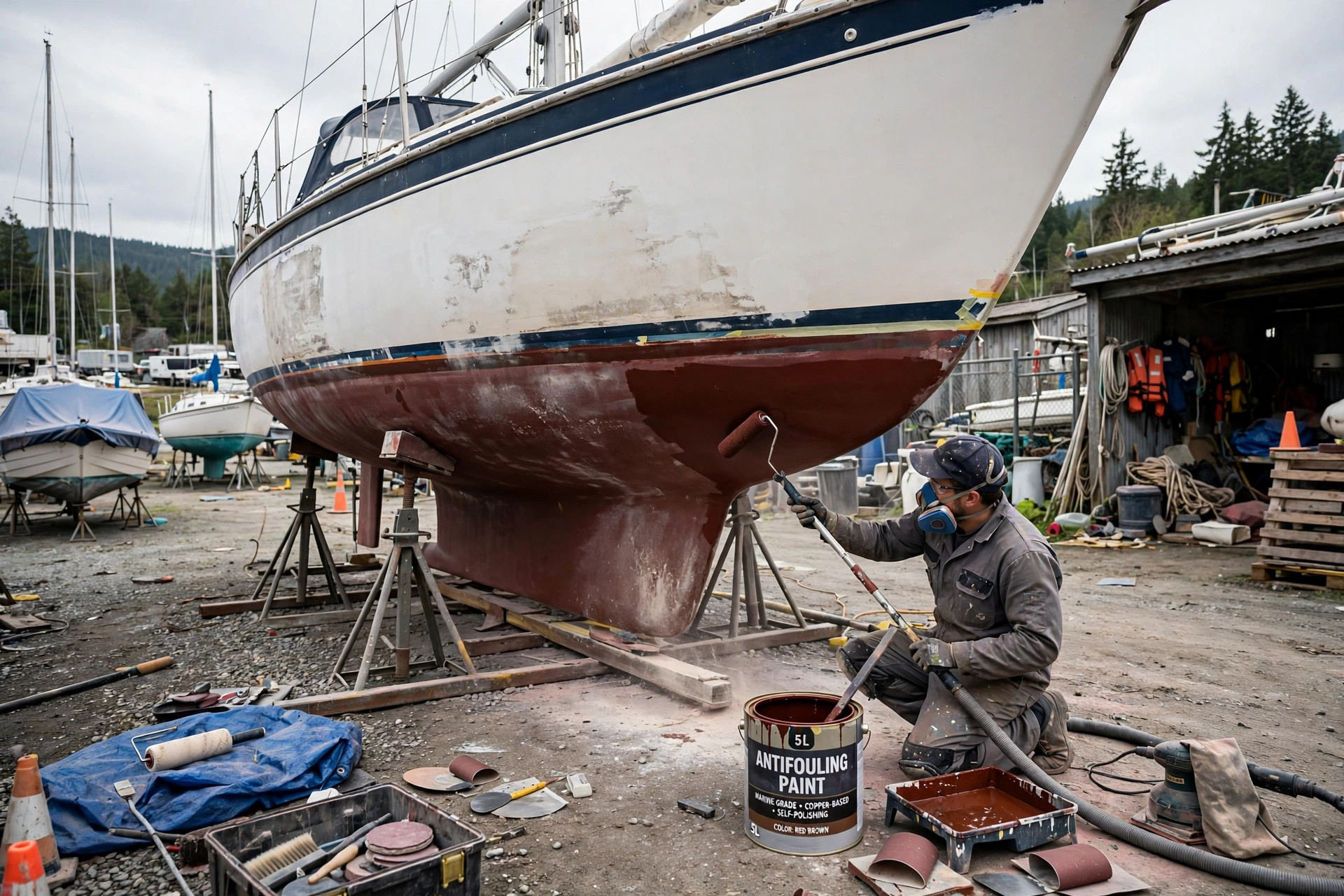
- Hull and osmosis work. Blister repair, gelcoat restoration, and professional antifouling can each run into the thousands on larger boats.
- Rig, sails, and canvas on sailboats, where a full re-rig is a major expense.
- Electronics and navigation upgrades, from chartplotters to radar and autopilots.
- Cosmetic refits such as upholstery, teak work, and air conditioning.
Before you borrow anything, get an itemized installed quote from the yard. Engine-only prices are misleading, because rigging, controls, gauges, and labor often add 25 to 45 percent to the final bill.
6 boat repair financing options compared
Here are the six realistic ways to fund boat repairs, starting with the options most owners overlook.
1. Refinance your current boat loan and release equity
If you have paid down a good chunk of your existing marine loan, refinancing lets you borrow against the value you have built up and use the released cash for the repair. Marine lenders in both the US and the UK offer refinance packages specifically for refits and upgrades, and some banks confirm that boat loans can be used for refitting an existing vessel.
The maximum you can borrow depends on the boat’s current market value, and the lender may ask for a fresh survey or independent valuation before approving the new loan. Any finance already secured against the vessel is usually rolled into the new loan. If this route sounds right, our guide to refinancing a boat loan explains the process step by step, and you can model the numbers with our boat refinance calculator.
2. Unsecured marine or personal loan
Specialist lenders offer unsecured loans designed for boat maintenance, repowers, engine rebuilds, and navigation systems. Because nothing is pledged as collateral, approval is fast, and some lenders can deposit funds the same day you apply. Loan amounts commonly run from $5,000 to $100,000, with fixed rates, no fees, and no prepayment penalties on the better products.
This is the fastest option when a repair cannot wait, but the best rates go to borrowers with strong credit. See how this compares with a standard marine loan in our boat loan vs personal loan breakdown.

3. Home equity loan or HELOC
If you own your home, borrowing against it is often the cheapest way to fund a big repair, because secured home equity rates sit well below unsecured loan rates. The trade-off is serious: your home becomes the collateral, so a default puts your house at risk. This route only makes sense for large, value-adding repairs on a boat you plan to keep for years. Read our full comparison in boat loan vs home equity loan.
4. Dealer or boatyard financing
Many dealers and larger boatyards offer financing on repower packages, bundling the engine, rigging, and installation into one monthly payment. It is convenient, and dealers sometimes run promotional rates, but always compare the total cost against an independent loan. Dealer financing is rarely the cheapest option once the promotional period ends.
5. Credit card
A credit card works for smaller bills you can clear within a month or two, or to grab a 0 percent introductory offer. For a $20,000 repower, though, standard card rates will cost you far more in interest than any dedicated loan. We looked at the plastic route in detail in can you buy a boat with a credit card.
6. Pay cash from a maintenance fund
The cheapest financing is no financing. Many experienced owners set aside a yearly maintenance budget so that the next big bill does not become a crisis. It will not help with the repair sitting in your inbox today, but it is the habit that prevents the next one from hurting. Our boat maintenance checklist shows which routine jobs keep repair bills small.
Which option costs the least?
For a $20,000 repower, the cheapest option is usually the one with the lowest rate and shortest comfortable term, not the lowest monthly payment. As a rough reference point, marine loan rates for well-qualified borrowers generally run about 6 to 10 percent, with the average sitting around 7 to 9 percent as of August 2026.
Run your actual numbers before you sign anything. Our boat loan amortization schedule shows exactly how much interest each option costs over the full term, which is where the real difference between a cheap loan and an expensive one shows up.
5 tips before you borrow for boat repairs
- Quote installed, never engine-only. Rigging surprises are where repower budgets die.
- Check what the loan allows. Some lenders restrict how you use the funds, so confirm repairs and upgrades are covered.
- Know your numbers first. Lenders look at your credit score and debt-to-income ratio before approving anything.
- Compare total cost, not just the monthly payment. A longer term can look affordable while costing thousands more in interest.
- Keep every receipt. Documented engine work and refits protect your resale value and help at survey time.
Frequently asked questions
Can you add repair costs to your existing boat loan?
Not directly in most cases, because the loan amount is fixed at signing. The standard route is to refinance the loan at a higher balance that covers the repair, or to take a separate loan alongside it. Some lenders also offer top-up loans against the equity you have built.
Do lenders finance repairs on older boats?
Often yes, but lenders apply age limits and may require a marine survey to confirm the boat covers the combined loan balance after the repair.
Is financing a boat engine repower worth it?
It depends on the math. If the repair costs more than the boat is worth after the work, you are usually better off selling as-is and buying a boat that already has a healthy engine. If the boat has solid bones and years of life left, financing a quality repower is often cheaper than replacing the whole boat.
The bottom line
Boat repair financing works best when you match the loan to the job: refinance or home equity for large planned refits, an unsecured marine loan when speed matters, and cash for everything small. Get the itemized quote, run the total interest, and borrow the minimum that gets you back on the water.

Michael Carter is a financial research writer specializing in vehicle financing, loan calculations, interest rates, and consumer budgeting. He creates practical, easy-to-understand resources that help readers make more informed financing decisions.