How to Finance a Fishing Boat: Costs, Rates and Steps
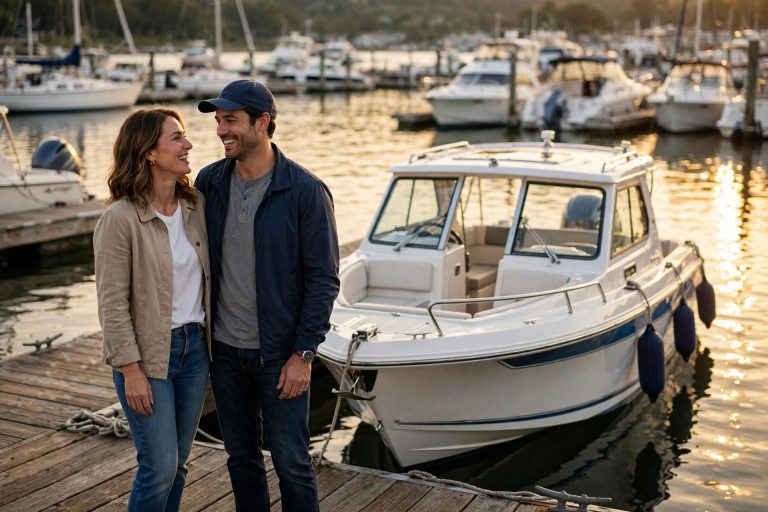
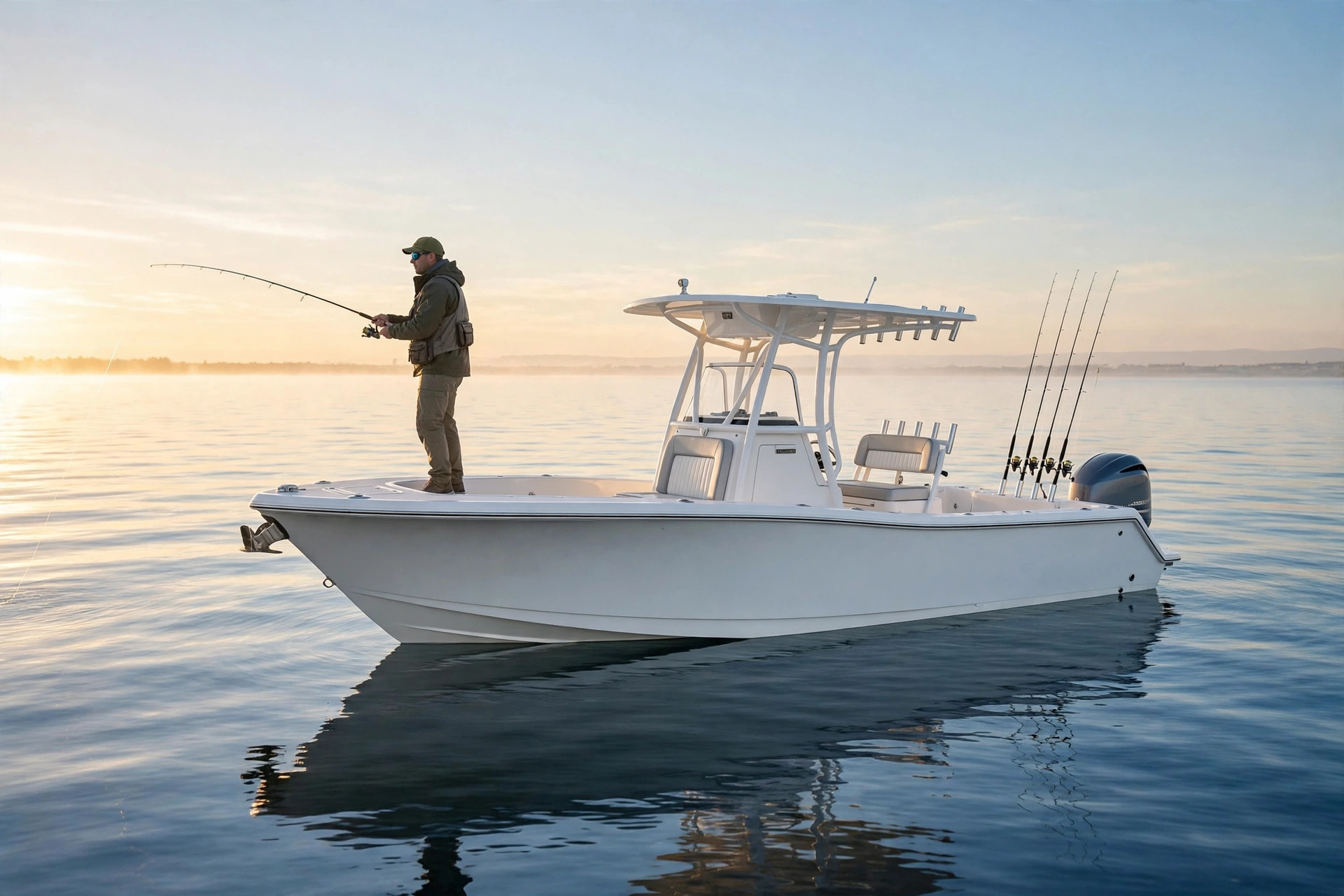
Learning how to finance a fishing boat is the first step toward owning the boat you actually want instead of settling for whatever you can pay cash for. A fishing boat is a big purchase, and the way you pay for it shapes your monthly budget for years. The good news is that fishing boats are one of the easiest types of boats to finance, because lenders understand them, there is a strong used market, and plenty of marine lenders compete for the business.
This guide covers the loan options, the costs, what lenders check, and the steps to get approved.
How to Finance a Fishing Boat: Your Main Options
Most buyers use one of four routes. The right one depends on the price of the boat, your credit, and whether the boat is new or used.
1. Secured marine loan
This is the most common way to finance a fishing boat. The boat itself serves as collateral, which keeps the interest rate lower than an unsecured loan. Terms typically range from 2 to 20 years, with longer terms for larger, newer boats.
2. Unsecured personal loan
An unsecured personal loan works well for smaller, cheaper fishing boats, especially older aluminum boats and small center consoles under about $30,000 to $50,000. Approval can be fast, sometimes within 24 to 48 hours, and no marine survey is needed. The trade-off is a higher interest rate and a shorter term, usually one to seven years.
3. Dealer and manufacturer financing
Many boat dealers work with marine lenders and can arrange financing at the point of sale. Some manufacturers offer promotional rates or flexible terms for qualified buyers. Dealer financing is convenient, but always compare the offer with a direct quote from your bank or a credit union before you sign.
4. Home equity loan or HELOC
If you own a home with enough equity, a home equity loan or line of credit can fund a fishing boat purchase. Rates are often lower than a personal loan, and terms can be long. The risk is real, though: your house secures the loan, so a missed payment puts your home at risk.
One important split: if the boat will earn money, through charter trips or commercial fishing, lenders treat it as business equipment, and it is financed through equipment or SBA-backed loans instead. The rest of this guide is for recreational buyers.
What a Fishing Boat Loan Costs
Before you apply, know the full cost, not just the monthly payment. Interest rates for marine loans generally range from around 6% to over 15% a year, depending on your credit score, the loan term, and the lender.
Down payments typically fall between 10% and 20% of the purchase price. On a $40,000 fishing boat, that means $4,000 to $8,000 up front. If you want to see how different down payments change the payment, run the numbers on our fishing boat loan calculator before you start shopping. For more detail on what to expect up front, read our guide to boat loan down payments.
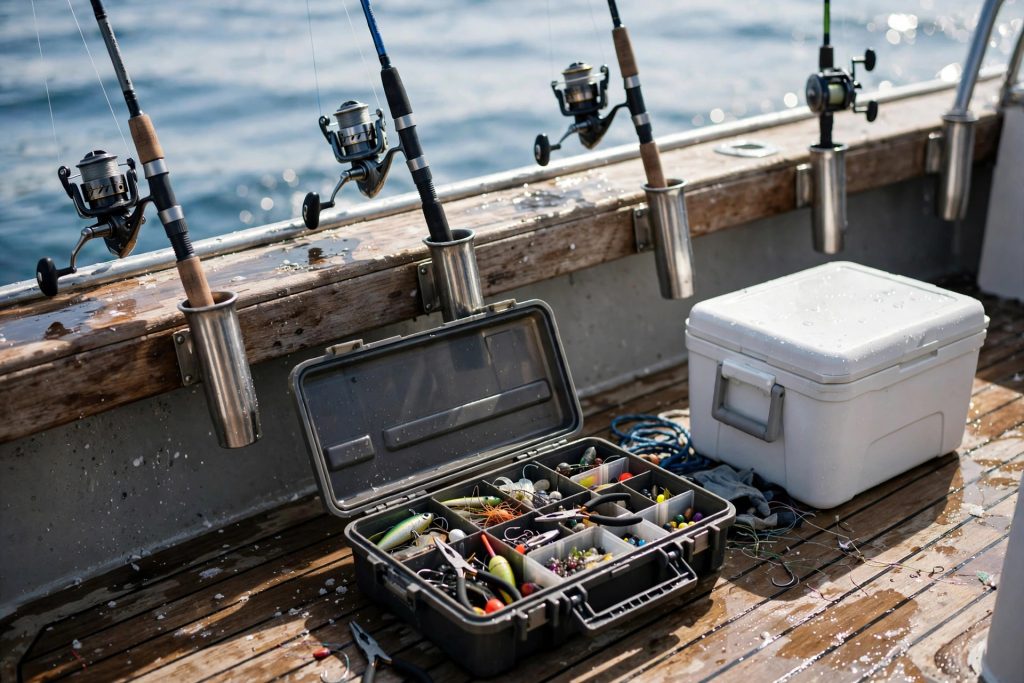
Other costs add up too. Origination fees, documentation fees, and title transfer costs can add several hundred to a few thousand dollars. Marine insurance is usually required by the lender and is an ongoing cost that depends on the boat’s value, where you keep it, and how you use it. Then there are the running costs every owner pays: fuel, storage, maintenance, and gear.
How Old of a Fishing Boat Can You Finance?
Boat age is one of the first things a lender checks. Many lenders cap the age of the boats they will finance at 15 to 20 years, depending on the hull material and the condition shown in the survey.
For a secured loan on an older or higher-value boat, the lender will usually require a marine survey. A surveyor inspects the hull, engine, electrical systems, and overall condition, and gives the lender a market value for the boat. Expect to pay around $15 to $25 per foot for a survey. A clean survey supports a higher loan amount and a better rate, while unsecured personal loans generally do not require a survey at all.
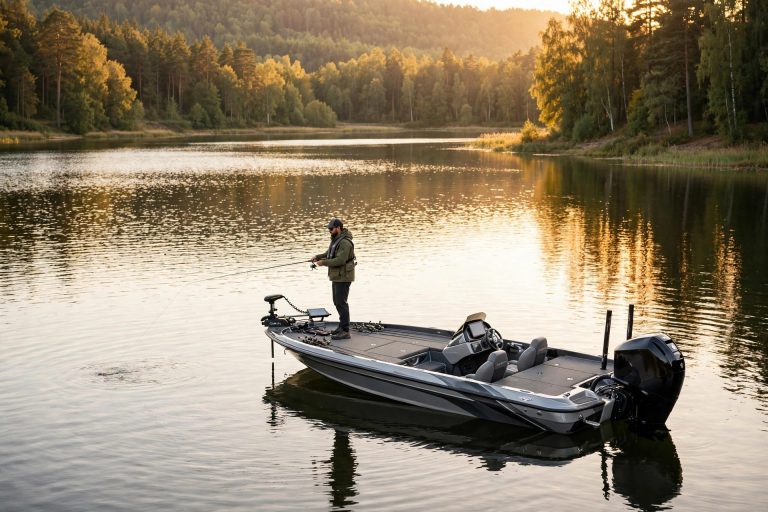
The type of fishing boat matters as well. A bass boat, a center console, and an offshore fishing boat are valued differently, and lenders know which models hold their value. Popular production models from well-known brands are easier to finance than rare or heavily customized boats.
How to Apply for a Fishing Boat Loan in 6 Steps
Step 1: Check your credit. Most lenders want a credit score of at least 680 for competitive rates, though some marine lenders will work with scores in the 620 range at higher interest. Check your report, fix errors, and pay down card balances before you apply.
Step 2: Get pre-approved. Pre-approval gives you a conditional loan amount and rate, usually valid for 30 to 90 days.
Step 3: Find the boat and agree a price. With your budget set, shop for the boat and agree on a price. Get the sale agreement in writing, with the make, model, year, and hull identification number.
Step 4: Submit the full application. The lender will ask for proof of income such as pay stubs or tax returns, bank statements, government-issued ID, and the vessel details.
Step 5: Survey, appraisal, and insurance. For a secured loan, the lender reviews a survey and appraisal, then confirms your insurance is in place. This is the slowest part of the process, so line up your insurer early.
Step 6: Sign and take possession. After underwriting, approval can take anywhere from 24 hours with online lenders to one to two weeks with traditional banks. Funds go directly to the seller or dealer.
Tips to Get Approved for a Fishing Boat Loan
Compare at least three lenders. Marine-specific lenders often offer longer terms and better knowledge of vessel values than general banks. Compare the full cost, not just the rate: check origination fees, prepayment penalties, and whether the rate is fixed or variable. A fixed rate keeps your payment steady, which makes budgeting easier. Our guide on how to get the best boat loan rate walks through the comparison step by step.
Put more money down. A 20% down payment instead of 10% lowers the amount you borrow, cuts the interest you pay over the life of the loan, and often earns you a better rate.
Buy a boat the lender likes. A newer boat from a popular brand, in good condition with a clean survey, is far easier to finance than an old, rare, or project boat. If your heart is set on an older boat, be ready for a bigger down payment or an unsecured loan.
The Bottom Line
Financing a fishing boat comes down to three choices: pick the loan type that fits the boat’s price, know the real costs beyond the monthly payment, and get pre-approved before you shop. A secured marine loan suits most buyers, a personal loan suits small and older boats, and dealer financing is worth comparing but never worth accepting blind. Check your credit, compare three lenders, and budget for insurance and upkeep.

Michael Carter is a financial research writer specializing in vehicle financing, loan calculations, interest rates, and consumer budgeting. He creates practical, easy-to-understand resources that help readers make more informed financing decisions.