How to Finance a Bass Boat: Costs, Rates and Steps
Learning how to finance a bass boat is the first step toward owning one. Prices run from under $17,000 for an entry level aluminum rig to over $150,000 for a tournament fiberglass boat. Most buyers do not pay cash. They spread the cost with a marine loan, a dealer program, a personal loan, or home equity.
How to Finance a Bass Boat: Your Main Options
Most buyers use one of four routes, chosen by price, credit, and whether the boat is new or used. Bass boats are a type of fishing boat, so the same basic loan rules apply.
1. Secured marine loan
This is the most common route. The boat, motor, rigging, and trailer serve as collateral, so the lender can repossess the package if you stop paying. That security means lower rates and longer terms, typically 10 to 20 years for newer, higher value boats.
2. Unsecured personal loan
A personal loan suits smaller, cheaper bass boats, especially older aluminum boats under about $10,000. Approval can be fast, and no marine survey is needed. The trade off is a higher rate and a shorter term, usually one to seven years. Compare the two routes in our guide to a boat loan vs a personal loan.
3. Dealer and manufacturer financing
Many dealers arrange financing at the point of sale, bundling the hull, motor, trailer, and accessories into one package. Some offer promotional rates or rebates on brands such as Skeeter, Ranger, and Nitro. Compare the rate with an independent lender first, because the easiest offer is not always the cheapest.
4. Home equity loan or HELOC
If you own a home with enough equity, a home equity loan or line of credit can fund the purchase. Rates are often lower than a marine loan. The risk is real: your house secures the debt, so a missed payment puts your home at risk.
What a Bass Boat Costs in 2026
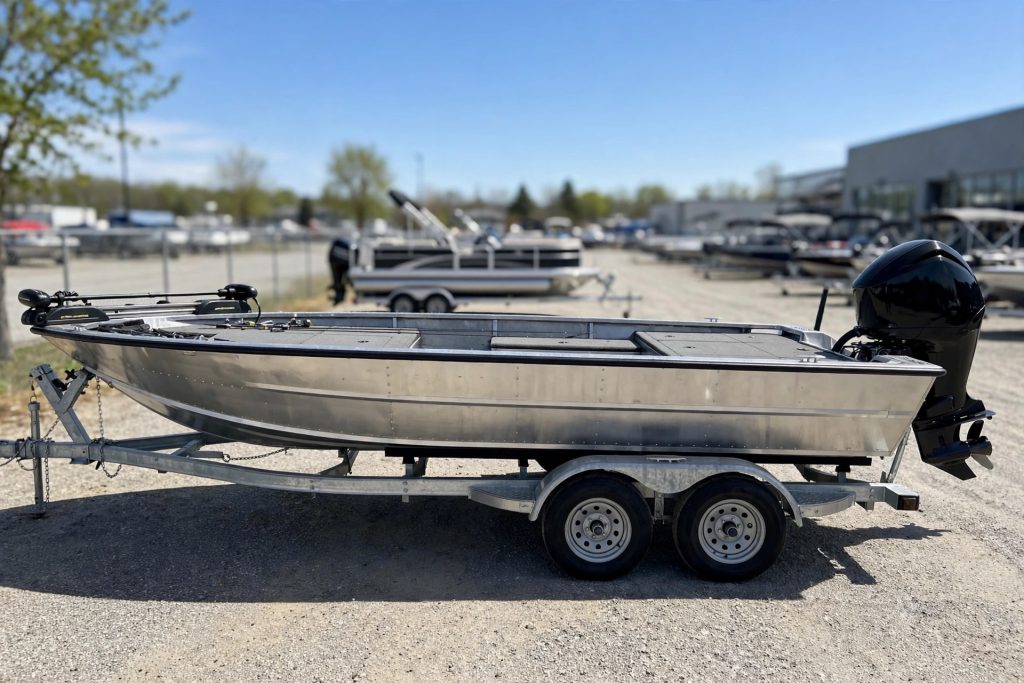
Entry level aluminum models such as the Bass Tracker Classic XL start just under $17,000, and new aluminum boats generally run from about $16,000 to $25,000 with a trailer and a 40 to 75 horsepower outboard included. New fiberglass boats start around $25,000 to $60,000, while tournament rigs with 200 to 250 horsepower outboards can pass $150,000. Used aluminum boats often sell for $3,500 to $7,500, and clean used fiberglass boats usually trade between $8,000 and $20,000. See our bass boats guide for the hull differences.
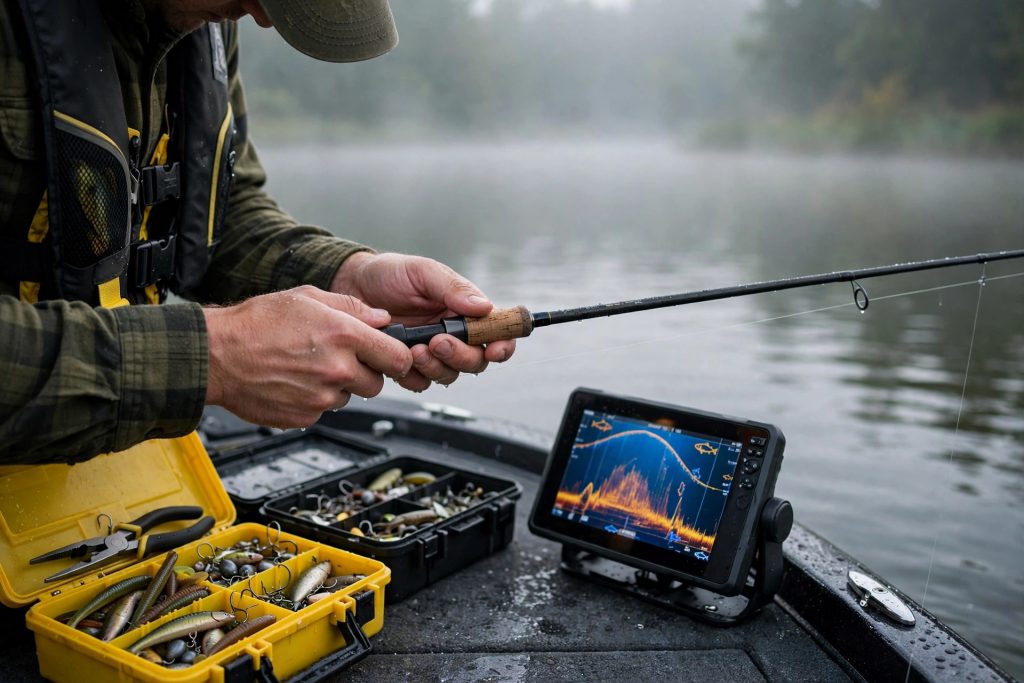
A tournament grade outboard alone can add $15,000 to $25,000, and electronics such as forward facing sonar and a heavy duty trolling motor can add another $3,000 to $10,000.
Down Payment, Rates and Terms
Most marine lenders ask for a down payment of 10 to 20 percent. Loan to value ratios are usually capped around 80 to 85 percent for newer boats, so on a $40,000 boat expect to put down $4,000 to $8,000. Some lenders advertise zero down programs for loans up to $70,000, so ask about them if cash is tight. See our guide on a boat loan with no down payment for how those programs work.
The average boat loan rate sits near 9 percent, while well qualified buyers with scores of 700 or higher can secure rates around 7 to 8 percent. Borrowers with scores between 600 and 679 can still qualify, but at higher rates, shorter terms, or a larger down payment. Scores below 600 rarely get competitive terms. See how to get the best boat loan rate before you apply.
Terms follow the price. Secured marine loans typically run 10 to 20 years, with the longest terms on loans over $100,000. Personal loans are capped at one to seven years. A longer term means a smaller monthly payment but much more total interest, so pick the shortest term your budget can handle.
Monthly Payment Examples
Take a $40,000 bass boat with 10 percent down, so you finance $36,000 at 8 percent. Over 15 years the payment is about $344 a month, with about $25,926 in total interest. Shorten the term to 10 years and the payment rises to about $437 a month, but total interest falls to about $16,414, a saving of roughly $9,500.
On a smaller rig, finance $15,300, the balance on a $17,000 entry level boat after 10 percent down, at 8 percent over 10 years and the payment is about $186 a month. Run your own numbers with our boat loan APR calculator.
What Lenders Check Before They Approve You
Lenders judge four things: credit score, income, debt to income ratio, and the boat itself. Most marine lenders prefer a total debt to income ratio below 40 to 45 percent, counting your mortgage, car loans, credit cards, and the new boat payment. Self employed buyers should expect to show two years of tax returns, while salaried buyers show pay stubs.
For a used or high value boat, the lender usually requires a marine survey, an independent inspection of the hull, engine, and electrical systems that also sets the market value. A survey typically costs around $15 to $25 per foot. A $75 compression test on the outboard can catch a worn engine before you finance it.
How to Apply for a Bass Boat Loan in 6 Steps
Step 1: Check your credit. Pull your reports from Equifax, Experian, and TransUnion and fix any errors. A higher score can move you into a lower rate bracket.
Step 2: Set your budget and get pre approved. Decide the total price you can afford, including the down payment, tax, insurance, and storage.
Step 3: Choose the boat. Compare new and used options, check the year, make, model, equipment, and title status, and confirm the price against comparable listings.
Step 4: Compare lenders. Get at least two or three offers: a marine specialist, your bank or credit union, and the dealer program. Compare the rate, term, fees, and any prepayment penalty, not just the monthly payment.
Step 5: Submit the application. Provide your income documents, the boat details, and the survey if one is required.
Step 6: Review the offer and sign. Confirm the rate is fixed and the financed amount matches the agreed price.
Mistakes to Avoid When Financing a Bass Boat
The most expensive mistake is financing fast depreciating electronics over a 20 year term. A fish finder that is outdated in five years should not still be on your loan in year fifteen. Other common mistakes: skipping the survey on a used boat, shopping without pre approval, and budgeting only for the loan payment while forgetting insurance, tax, storage, and maintenance. Insurance can run from a few hundred dollars a year to 1 to 5 percent of the boat’s value a year. Never judge a loan by the monthly payment alone: a small payment over 20 years can cost thousands more in interest.
Is Financing a Bass Boat Worth It?
Financing makes sense when the boat fits your budget with room for the real costs of ownership, and when the term is short enough that you keep positive equity in the rig. Get pre approved, compare at least three offers, survey any used boat, and buy the boat that matches your fishing.

Michael Carter is a financial research writer specializing in vehicle financing, loan calculations, interest rates, and consumer budgeting. He creates practical, easy-to-understand resources that help readers make more informed financing decisions.