How to Finance a Boat From a Private Seller
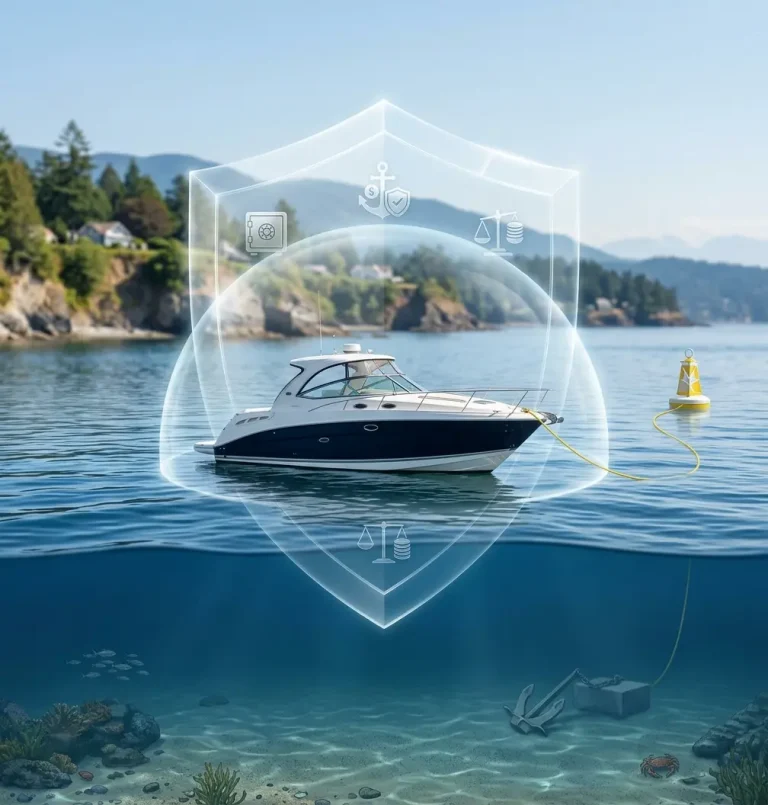
More than half of all used boats change hands privately, from one owner straight to the next, with no dealer in the middle. If you have found the right boat in a driveway, a marina, or an online classified ad and assumed you would need to pay cash for it, there is good news: getting a private party boat loan is absolutely possible. The process works much like financing through a dealership, except you and the seller handle a few extra paperwork steps yourselves.
How a Private Party Boat Loan Works
A private party boat loan is a standard marine loan where the boat itself serves as collateral. Your lender reviews your credit and income, approves a loan amount, and sends the funds directly to the seller once everything checks out. Because the boat secures the loan, you get a secured-loan interest rate instead of the higher rate of an unsecured personal loan.
The main difference from dealer financing is paperwork. A dealer has a finance office that handles titles, liens, and registration daily. In a private sale, you, the seller, and the lender work through those steps together. The payoff: private sellers often price below dealer retail, and you get access to a much larger selection of used boats.
Step by Step: Financing a Boat From a Private Seller
Step 1: Get pre-qualified before you shop
The smartest move is to get pre-approved for a boat loan before negotiating with sellers. Pre-qualification tells you how much you can borrow and what your monthly payment looks like, usually through a soft credit inquiry that does not affect your score. It also shows private sellers you are a serious buyer who can close the deal, which strengthens your negotiating position.
Step 2: Find the boat and agree on a price in writing
Good hunting grounds for private listings include Boat Trader, boats.com, Facebook Marketplace, local classifieds, marina bulletin boards, and boating clubs. When you find the right boat, negotiate and put the agreement in writing. At this stage a simple bill of sale listing the price, the boat’s year, make, model, and hull identification number, plus both parties’ names, is enough to move forward. Our boat bill of sale template guide explains what to include.
Step 3: Gather the boat’s information for your lender
Before approving the loan, your lender needs to verify the boat. Ask the seller for the current title or Certificate of Documentation, the hull identification number (HIN), year, make, model, length, engine details including hours, and any existing survey reports. If the seller cannot produce a clear title, pause the transaction until ownership is resolved. No lender will finance a boat whose ownership cannot be verified.
Step 4: Submit your application
With the boat details in hand, applying is quick. You provide personal information, employment and income details, monthly housing expenses, and the boat’s age and estimated value. Lenders review your credit score for a boat loan, your debt-to-income ratio (most prefer it below 40 percent), and the boat’s age and condition. Many lenders finance boats up to 20 years old, though older boats often require a marine survey.
One detail that surprises buyers: lenders base the loan on the boat’s market value, not just your agreed price, using valuation guides such as NADA or BUC. Negotiate a deal below market value and you win. Agree to pay above market value and you cover the difference out of pocket, so check your boat loan down payment budget in advance.
Step 5: Review your approval and order a survey if needed
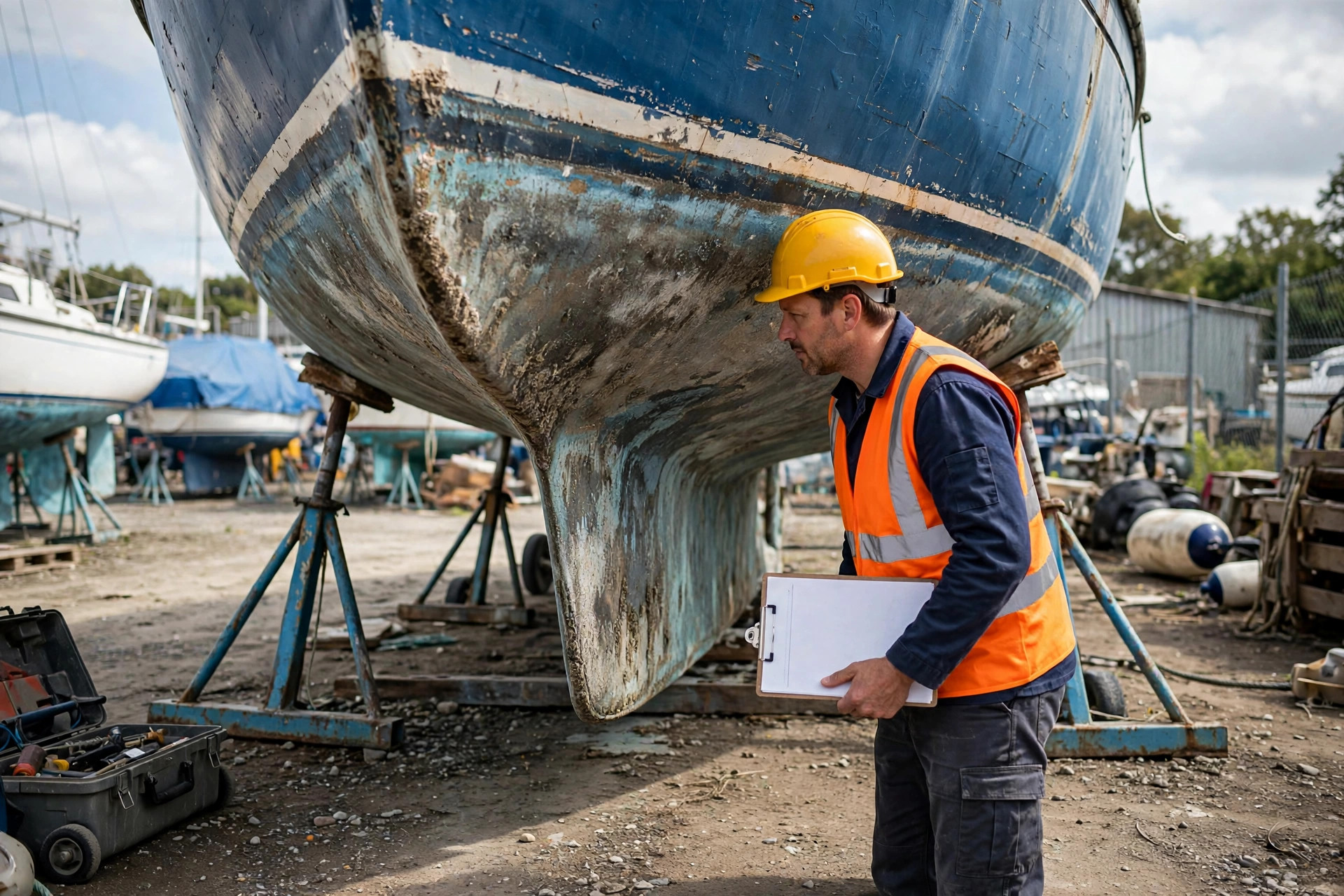
Many buyers are approved the same day. The approval lists your loan amount, interest rate and APR, term, and estimated monthly payment. If the lender requires a marine survey, you hire a certified marine surveyor to inspect the boat before closing. Surveys typically cost $15 to $25 per foot. It is money well spent: the inspection can uncover hidden problems and reassures both you and the lender. See our boat survey guide for what surveyors check.
Step 6: Close the sale and register the boat
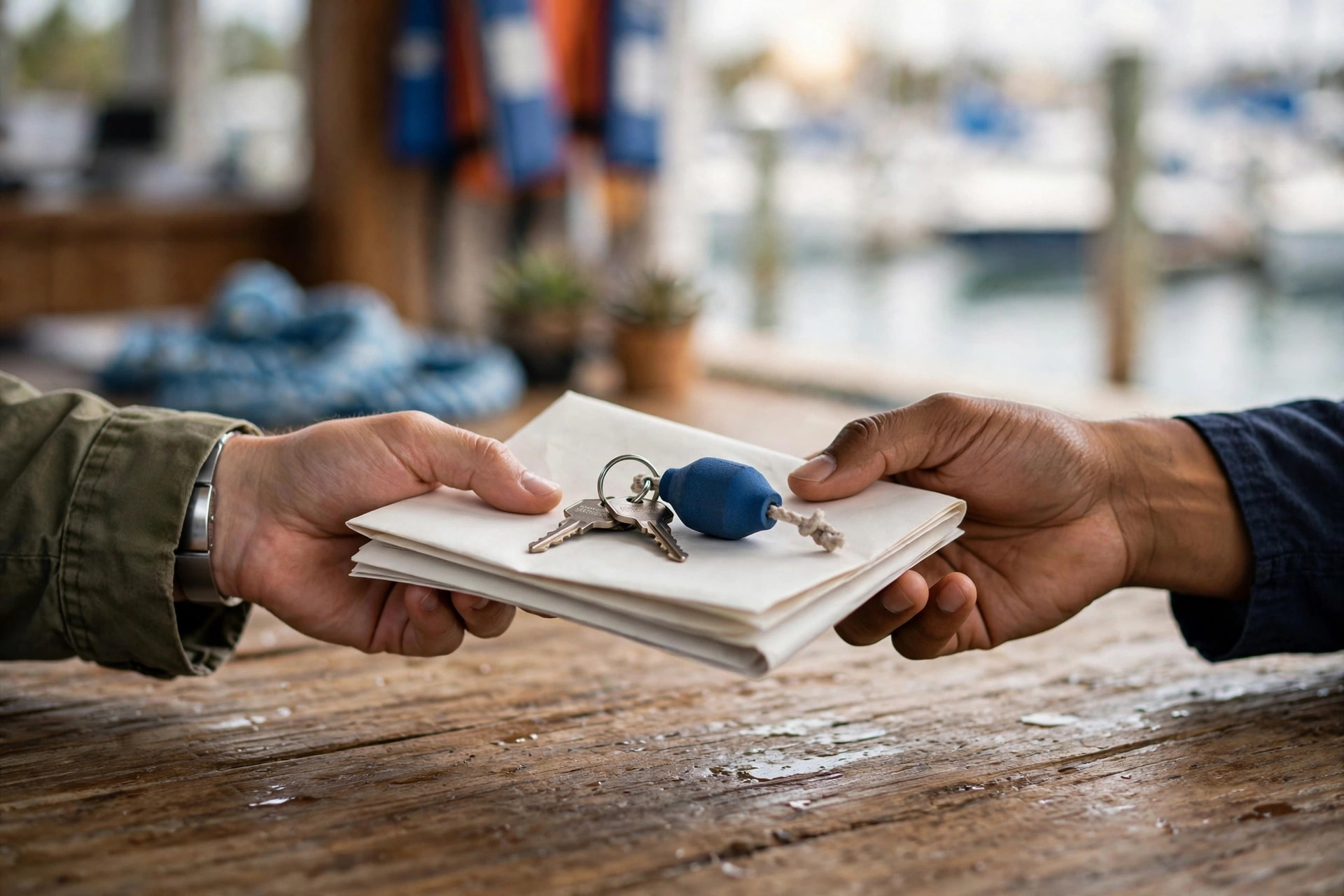
Once all conditions are met, the lender sends payment directly to the seller by wire transfer or check. At closing, the seller signs the title over to you, the bill of sale is completed, and the lender records its lien until the loan is paid off. You then register the boat in your name and pay any applicable sales tax; our boat title transfer guide covers the registration side. Sanity-check your budget first with our used boat loan calculator.
How to Protect Yourself: Title, Lien, and Insurance Checks
With no dealer standing behind the sale, these checks fall on you:
- Verify the HIN matches everything. The hull identification number on the boat must match the title, registration, and bill of sale. Any mismatch is a major red flag.
- Check for outstanding liens. A lien means someone else has a legal claim on the boat. The title should show the seller as owner with no lienholder listed. For larger or Coast Guard documented vessels, consider a documentation service to run a full title search.
- Run a boat history report. History services can surface accident records, ownership changes, and prior liens the seller never mentions.
- Arrange insurance early. Most lenders require proof of comprehensive insurance before releasing funds, so sort your boat insurance before closing day.
- Take a sea trial. Strange engine noises, leaks, or poor handling are much cheaper to discover before the survey than after the purchase.
And one firm rule: never hand the seller cash before financing is complete. Your lender pays the seller directly, which protects both sides.
Private Party vs Dealer Financing
Comparing dealer financing with other options is worth doing. Dealers handle the paperwork and sometimes include warranties, and new-boat rates at dealers can run slightly lower. Private party purchases usually mean lower prices and stronger negotiating power, especially when you arrive pre-qualified. Interest rates on used boats are comparable either way, and terms of up to 20 years are available for qualifying boats in both cases. If you are comfortable doing the paperwork checks above, the private route often leaves more money in your pocket.
Mistakes to Avoid
- Skipping the title check because the seller seems trustworthy. Trust is good, paperwork is better.
- Agreeing to a price above market value. The lender finances only what the boat is worth, and the gap comes from your pocket.
- Forgetting insurance until the last minute and delaying your own closing.
- Skipping a survey on an older boat to save a few hundred dollars, then inheriting thousands in hidden repairs.
Financing a boat from a private seller takes a little more initiative than signing papers at a dealership, but thousands of buyers do it every month. Get pre-qualified, verify the title, protect yourself with a survey, and let your lender move the money. Do that, and that driveway find can be your boat by next weekend.

Michael Carter is a financial research writer specializing in vehicle financing, loan calculations, interest rates, and consumer budgeting. He creates practical, easy-to-understand resources that help readers make more informed financing decisions.