How to Finance a Liveaboard Boat: Loans, Mortgages and Real Costs
Living on a boat full-time sounds like freedom, but the first real question most future liveaboards ask is a practical one: how to finance a liveaboard boat when lenders treat it differently from a house and a weekend runabout alike. The good news is that financing a liveaboard boat is entirely possible. The bad news is that it takes more preparation than a standard boat purchase, because lenders see a home afloat as a riskier bet than either a house or a recreational vessel. This guide walks you through the loan options on both sides of the Atlantic, what lenders actually check, and the real ongoing costs you need to budget for before you sign.
What counts as a liveaboard boat for lenders
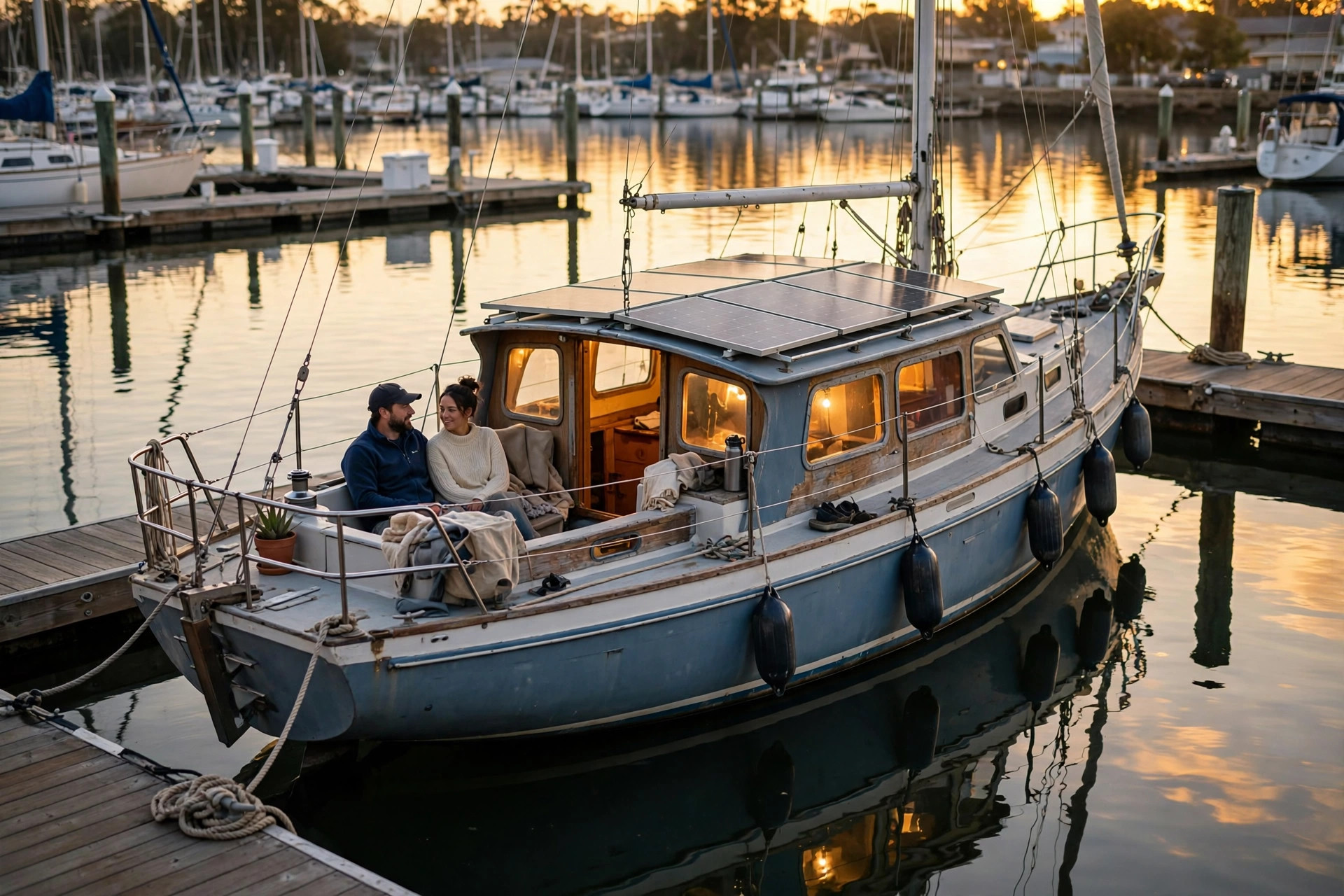
A liveaboard is simply any boat the owner lives on full-time. That can be a cruising sailboat, a trawler, a catamaran, a houseboat, or a narrowboat on the UK canals. Most serious liveaboard yachts are at least 35 feet long, which is roughly where you get enough cabin and storage space to live comfortably year-round.
Lenders make a key distinction that shapes everything else: a boat is a movable personal asset, not fixed property. That means you cannot get a standard 30-year home mortgage on a liveaboard, because home loans are secured against real estate attached to land. Instead, liveaboard buyers use marine loans, marine mortgages, and sometimes personal or home equity borrowing. Rates are usually higher and terms shorter than a property mortgage, because the collateral can sail away.
Your financing options for a liveaboard boat
Marine loans in the US
Most American liveaboards finance with a marine loan from a traditional bank, a credit union, a marine loan specialist, or an online lender. The mechanics are similar to financing any other boat: you apply, the lender checks your credit and income, and the boat itself secures the loan. Liveaboard status itself is rarely a separate box on the application. What matters is credit history, income stability, and the value and condition of the boat.
Getting pre-approved for a boat loan before you shop is especially smart for a liveaboard purchase. Prices for full-time cruising boats move fast on the used market, and a pre-approval letter shows sellers you are serious, which can speed up the deal.
Marine mortgages in the UK
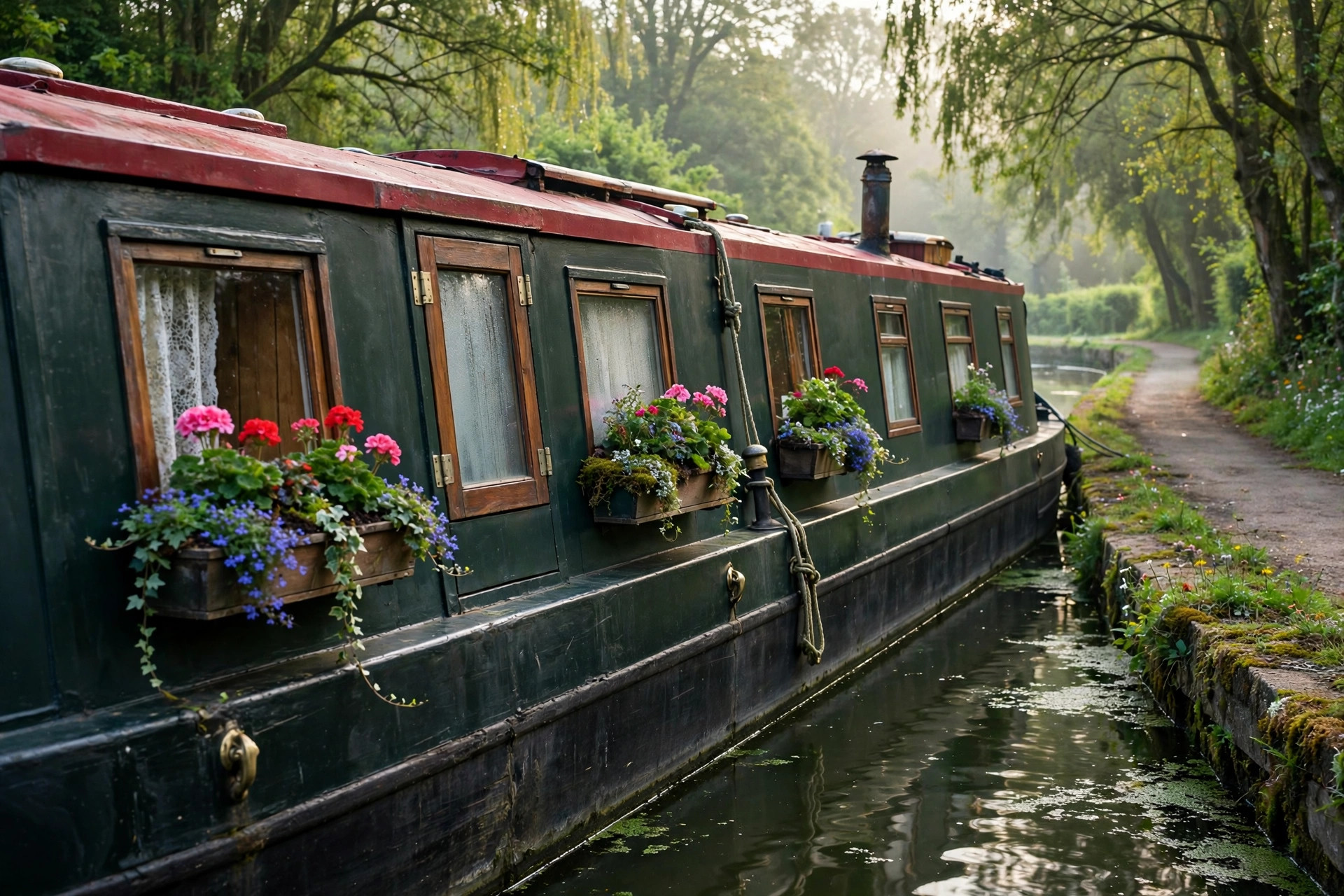
In the UK, liveaboard financing is usually called a marine mortgage. Specialist lenders such as Promarine Finance offer these for narrowboats, wide beams, Dutch barges, and other liveaboard vessels, including sailing yachts and motor cruisers used as floating homes. Unlike a property mortgage, the security is the boat itself. Very few mainstream banks offer this, so almost every UK liveaboard buyer goes through a specialist.
If you are looking at canal life, our narrowboat finance calculator and marine mortgage calculator can give you realistic monthly figures before you talk to a lender.
What lenders require from you
Whether you borrow in the US or the UK, the underwriting checklist looks similar:
- Proof of income and affordability. Salaried borrowers show recent pay stubs; self-employed borrowers usually need two full years of personal and business tax returns, because lenders average fluctuating income to judge stability.
- A satisfactory credit report. Marine lenders score you much like any other lender, and a stronger score means a better rate. Check the full boat loan requirements checklist before you apply.
- A deposit. Most UK marine mortgage lenders require a minimum deposit of 20 percent of the boat’s value, depending on the boat’s age and condition. US marine lenders often accept 10 to 20 percent down.
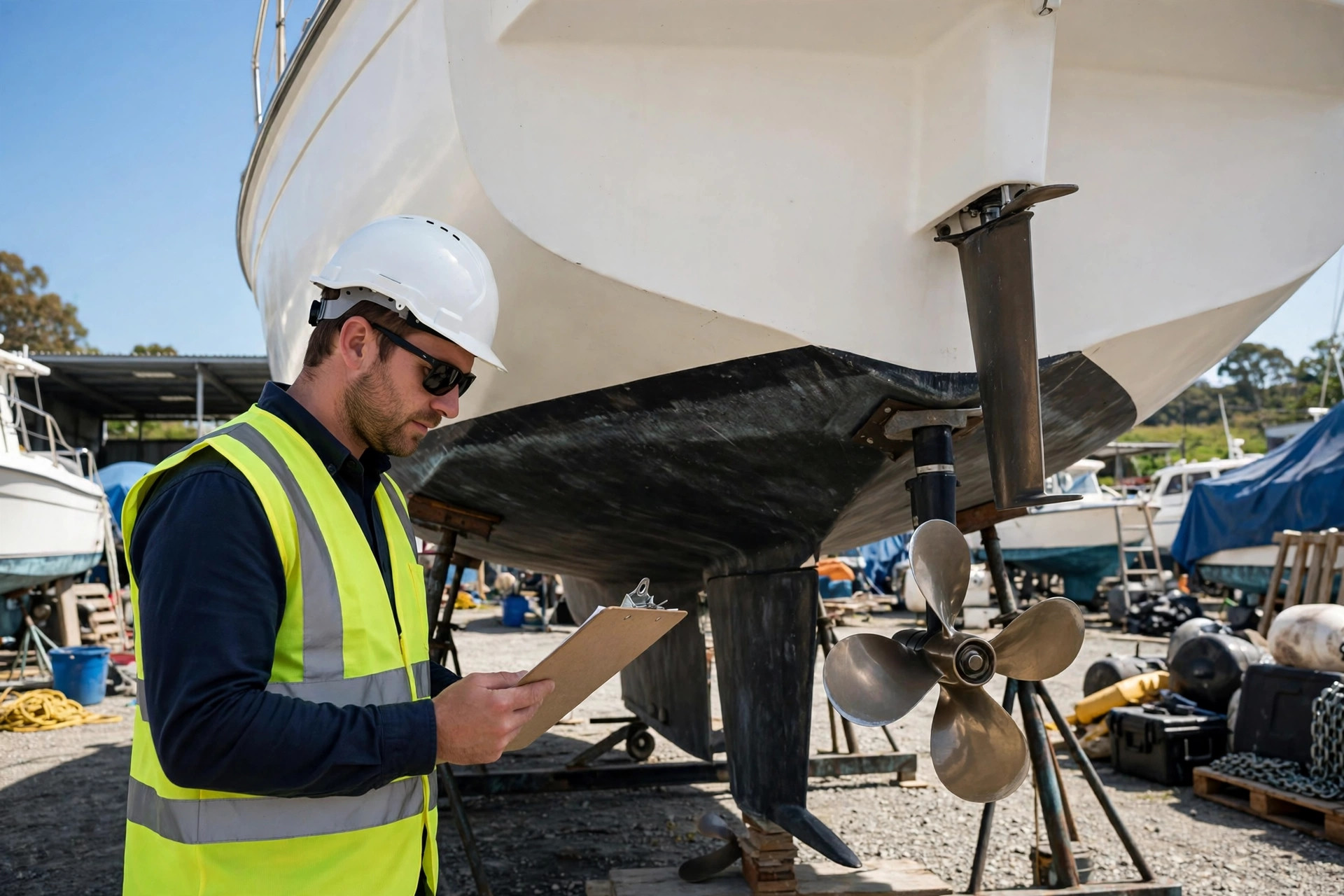
- Ownership documents and a full survey. Lenders want clear title, a hull identification number, the year, make, and model, and a satisfactory out-of-water marine survey confirming the boat’s condition and fair market value. For pre-owned boats, the survey protects both you and the lender from an overpriced purchase.
The deposit and rates you should expect
Interest rates on liveaboard financing sit above standard property mortgage rates and slightly above recreational boat loan rates, because full-time liveaboard use is considered higher risk. Terms in the US commonly run 10 to 20 years, which is why many buyers run the numbers on a 20-year boat loan calculator to see how a longer term changes the monthly payment versus the total interest paid.
One alternative worth knowing: some buyers use a home equity loan or line of credit from their existing property to buy the liveaboard outright. Rates can be lower and the interest may be tax-advantaged in some cases, but your house becomes the security, so the downside risk is real. Another route is a co-signer with strong credit, which can lift a borderline application over the line.
The real monthly costs beyond the loan
Financing is only part of liveaboard life. Lenders and experienced liveaboards both stress budgeting for the full picture, because these costs are what sink many first-time buyers:
- Marina or mooring fees. A liveaboard slip costs significantly more than a recreational one, because you use more facilities and liveaboard berths are limited. In the US, average marina slip costs run roughly $50 per foot per year, with popular marinas far above that. In the UK, residential mooring fees range from about £3,000 to £18,000 per year depending on location.
- Insurance. Comprehensive marine insurance is a must, and most lenders require proof of cover before funding. A boat insurance guide helps you understand what liveaboard policies actually cover.
- Maintenance and haul-outs. Budget around 10 to 20 percent of the boat’s purchase price per year for running costs on a yacht. For UK narrowboats, annual engine servicing and hull maintenance typically costs £1,000 to £2,000, plus a Boat Safety Scheme certificate every four years.
- Taxes and fees. In the US, you still pay sales tax on the purchase, property tax on your marina slip in many states, and sometimes an annual personal property tax. In the UK, canal users pay Canal and River Trust or Environment Agency licensing fees on top of mooring costs.
UK specifics: narrowboats and canal life
Over 15,000 people are thought to live afloat full-time on the UK’s rivers, canals, and coastlines, and narrowboats are the classic entry point. New narrowboats start around £60,000 and can reach £150,000, while used ones typically range from £30,000 to £80,000 depending on size, age, and condition.
Lenders financing narrowboats dig deeper than property lenders: they ask about the boat’s age, hull material, engine, survey history, and whether you will cruise continuously or stay on a fixed residential mooring. A residential mooring with planning permission strengthens your application, because it shows the boat has a stable home base.
Common mistakes to avoid
First, never budget only for the loan payment. The mooring fees, insurance, and maintenance will often rival the loan payment itself, and lenders can smell an under-budgeted application. Second, do not skip the survey to save a few hundred pounds or dollars; a survey that finds osmosis, hull damage, or a tired engine saves you from financing a problem. Third, sort out the marina before you buy. Some marinas restrict or ban liveaboards, so confirm you actually have somewhere to keep your floating home before you commit to paying for it. Finally, confirm with your lender and insurer how your policy and loan terms treat rental income if you plan to offset costs by chartering or listing the boat, since many policies exclude commercial use.
Financing a liveaboard boat takes more homework than a standard purchase, but thousands of people do it every year. Get your paperwork in order, budget the full cost of living afloat, and you can turn the floating-home dream into a loan you can actually carry.

Michael Carter is a financial research writer specializing in vehicle financing, loan calculations, interest rates, and consumer budgeting. He creates practical, easy-to-understand resources that help readers make more informed financing decisions.