Twin Vee PowerCats Merger: Boat Maker Goes Private Under Amended USFM Deal
The twin vee powercats merger has taken a new turn. Twin Vee PowerCats Co. and USFM Corporation have amended the merger agreement they first signed on July 12, 2026, in a deal that takes the Florida boat maker’s marine business private. The revised terms were announced on October 8, 2026 via ACCESS Newswire.
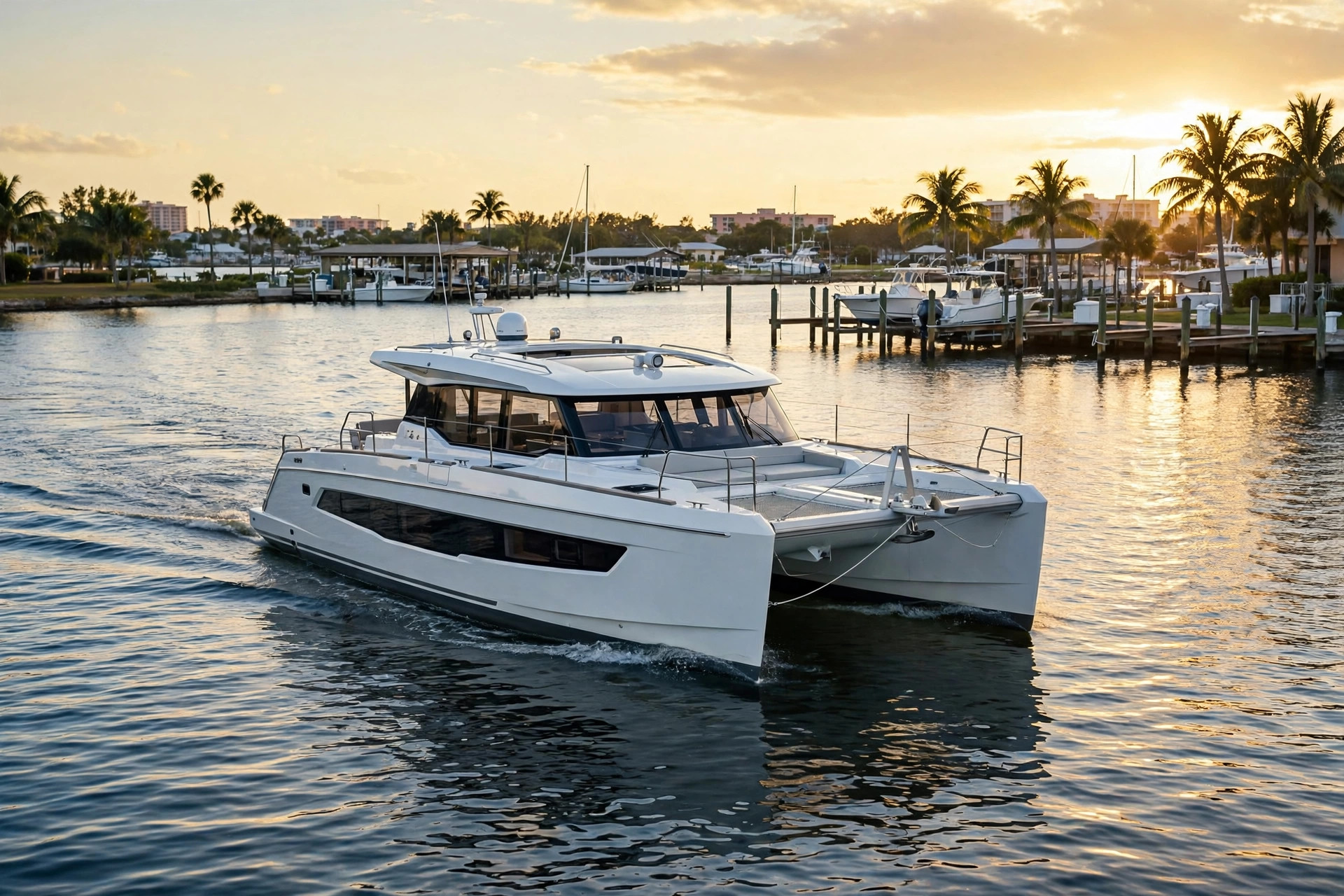
Twin Vee PowerCats is a Fort Pierce, Florida company that designs and builds recreational power catamaran boats. USFM Corp is a privately held US company based in Golden, Colorado, that is advancing critical mineral opportunities in Greenland.
What the amended Twin Vee PowerCats merger changes
Under the amended agreement, a newly formed Texas corporation called Twin Vee Holdco Inc. (Pubco) created two transitory merger subsidiaries. One merges with USFM, the other with Twin Vee, leaving Pubco as the parent company holding both businesses as separate wholly owned subsidiaries.
At closing, pre-closing USFM stockholders will own about 93 percent of Pubco, with pre-closing Twin Vee stockholders holding the remaining 7 percent. Pubco shares are to be registered with the SEC and are expected to list on NYSE American or another national exchange.

Marine business moves into a CVR Trust
Twin Vee will transfer its marine business assets and liabilities into a Delaware statutory trust known as the CVR Trust. Pre-closing Twin Vee stockholders will receive non-transferable contingent value rights, or CVRs, as a special distribution.
The marine business will continue to operate as a separate private company focused on recreational marine products.
Background: reverse split and rename approved
The amended merger follows a September 8, 2026 shareholder vote in which Twin Vee shareholders approved a 1-for-37 reverse stock split and a company rename to Twin Vee Bahama Co.
Boat-industry deals keep coming
This is not the only boat-industry deal making headlines. Vision Marine recently activated a new boat inventory financing facility for Nautical Ventures, while public boat manufacturers have faced a bumpy year, with MasterCraft shares sliding after analysts cut their estimates.

What this means for UK boat buyers
When a boat maker goes private, buyers sometimes worry about warranties, parts and dealer support. The announcement says the marine business will keep operating as a separate private company focused on recreational marine products, which is reassuring for current owners and anyone considering a Twin Vee catamaran.
Still, it is smart to check three things before you buy: that your dealer is stable and likely to stay in business, that factory warranty support is clearly documented, and that the model you want is not being discontinued.
From a financing point of view, nothing fundamental changes. Marine lenders finance boats based on the vessel’s value, your credit profile and the loan terms, not on who owns the manufacturer. If you are weighing up a purchase, run the numbers first with our boat affordability calculator to see what monthly payment fits your budget.
Source: Morningstar
What to check when a boat maker changes hands
When a boat manufacturer is bought, merged, or taken private, the boats do not change overnight, but the support around them can. The questions that matter are practical ones, and they are worth asking before you hand over any money.
Start with the warranty. Ask for the warranty terms in writing and check who stands behind them now that the ownership has changed. A warranty is only as good as the company that honours it, so confirm the length of cover, what it includes, and whether claims go through the dealer or directly to the manufacturer. If the model you want is about to be discontinued, ask how long parts will be available and whether the dealer can still get them.
Next, look at the dealer. A stable dealer with a long history in the area is a good sign, and it matters more than the name on the factory gate. Ask how long the dealer has sold the brand, whether servicing is done on site, and what happens if the dealer closes. A boat is a long term purchase, and you will need that dealer for servicing, spares, and warranty work for years after the sale.
Resale value deserves a thought too. When a maker changes hands, used values can dip for a while, because buyers are unsure about the future of the brand. That is not always a bad thing. A well kept used model from a maker in transition can be good value, as long as the price reflects the uncertainty. Check recent asking prices for the same model and compare them with similar boats from makers whose ownership is settled.
Finally, protect the purchase itself. Get a survey before you buy, even if the boat looks clean, and make sure your boat insurance covers the full value from the day you take delivery. On the finance side, read the boat loan requirements before you apply, so you know what documents the lender will ask for and what credit profile they expect. And if you are still choosing between models, our guide to buying a boat walks through the steps in order, from setting a budget to signing the paperwork.

Michael Carter is a financial research writer specializing in vehicle financing, loan calculations, interest rates, and consumer budgeting. He creates practical, easy-to-understand resources that help readers make more informed financing decisions.