Watercraft Explained: What Counts as a Watercraft?
Watercraft Explained: What Counts as a Watercraft?
A watercraft is any vehicle or craft designed to travel on, through, or across water. The category includes recreational boats, ships, personal watercraft, kayaks, canoes, sailboats, and specialized vessels.
A boat is one type of watercraft, but watercraft is the broader category. Ships are generally larger vessels designed for transportation, commercial operations, or long-distance travel, while boats commonly serve recreational, fishing, transportation, and work purposes.
Watercraft can also be classified by propulsion, hull design, purpose, size, and operating environment. For example, a kayak is human-powered, a pontoon is typically motorized, and a sailboat uses wind-powered propulsion.
Key distinction: Boat, ship, and personal watercraft describe different categories within the broader watercraft concept.
What Are the Main Types of Watercraft?
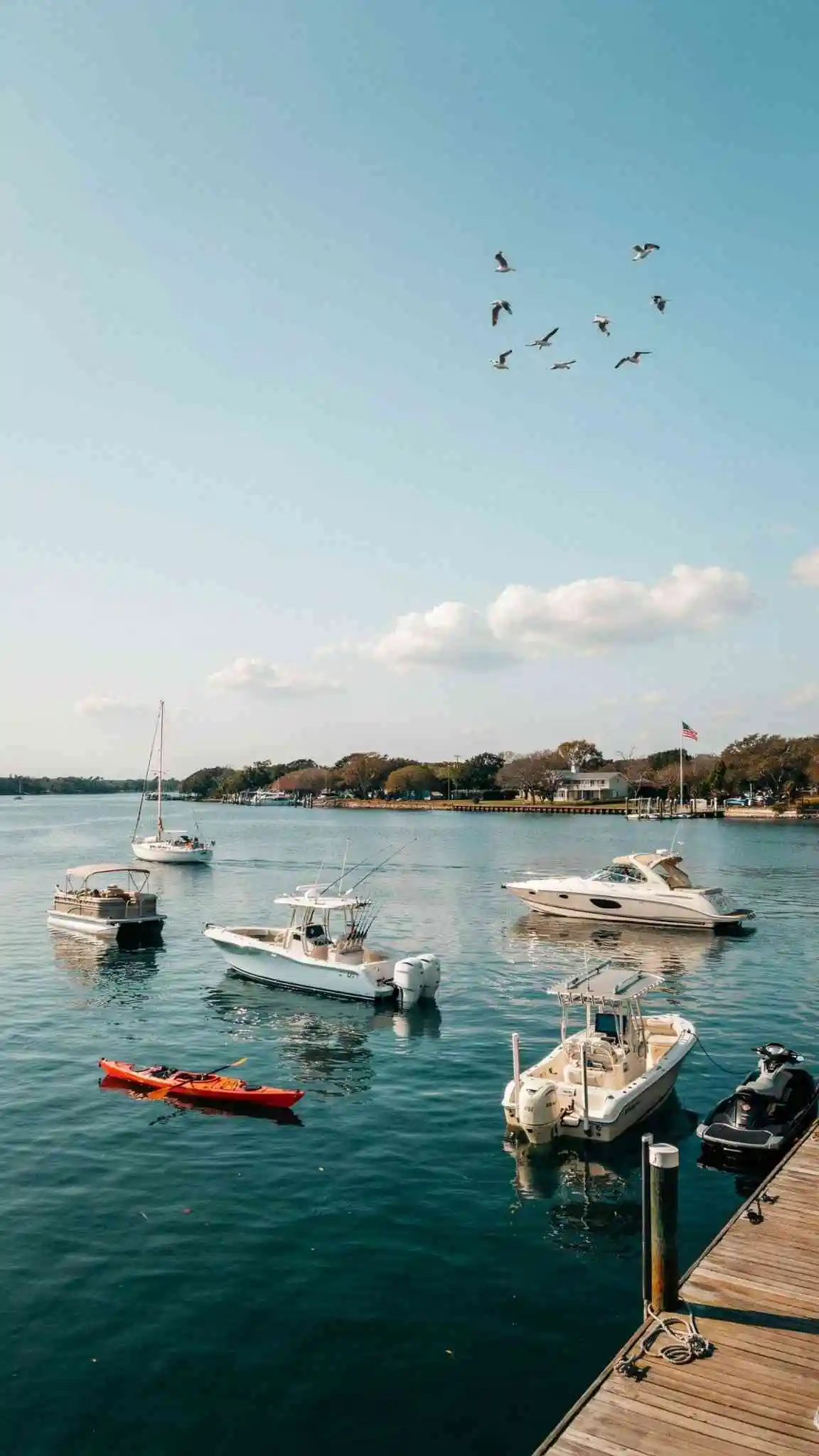
Watercraft can be grouped by how they move, what they are designed to do, and where they operate. The major categories include recreational boats, fishing craft, human-powered craft, motorized boats, sailing vessels, personal watercraft, and specialized or commercial vessels.
| Watercraft Category | Examples | Primary Use |
|---|---|---|
| Recreational Boats | Pontoon, bowrider, deck boat | Family recreation |
| Fishing Craft | Bass boat, center console | Fishing |
| Human-Powered | Kayak, canoe, rowboat | Paddling and recreation |
| Motorized Craft | Powerboat, jet boat | Cruising and watersports |
| Sailing Craft | Sailboat, catamaran | Sailing and cruising |
| Personal Watercraft | Jet ski, WaveRunner | Recreation |
| Specialized Craft | Tugboat, RIB, airboat | Work and specialized operations |
These categories can overlap. A fishing kayak is both a human-powered watercraft and a fishing craft, while a center console is a motorized boat commonly used for fishing.
Key distinction: Watercraft classification is multidimensional, so one vessel can belong to several categories at the same time.

Recreational Boat Types
Recreational boats are designed primarily for leisure activities such as cruising, family outings, fishing, swimming, and watersports. Common types include pontoons, bowriders, deck boats, runabouts, cabin cruisers, and yachts.
A pontoon boat prioritizes stability, passenger capacity, and social activities. A bowrider provides open seating and is commonly used for family cruising and watersports. A deck boat combines an open layout with relatively high passenger capacity.
A cabin cruiser adds enclosed living or sleeping space for longer trips. A yacht generally provides more space, amenities, and cruising capability than typical recreational boats.
| Type | Best For | Main Advantage |
|---|---|---|
| Pontoon | Families and leisure | Stability and space |
| Bowrider | Day trips and watersports | Versatility |
| Deck Boat | Groups and recreation | Open space |
| Cabin Cruiser | Extended cruising | Cabin accommodation |
| Yacht | Luxury and longer trips | Comfort and amenities |
Best choice: Choose based on passenger capacity, intended activities, storage, and the waters where you plan to operate.
Fishing Watercraft
Fishing watercraft are designed around access, stability, storage, casting space, and fishing equipment. The best option depends heavily on the fishing environment.
A bass boat is optimized for freshwater bass fishing, speed, casting decks, and fishing equipment. A center console offers an open layout and 360-degree movement around the boat, making it useful for coastal and offshore fishing.
A jon boat is a simple, shallow-draft option suited to calm freshwater environments. A bay boat bridges some of the capabilities of smaller freshwater fishing boats and offshore-oriented vessels.
| Fishing Craft | Typical Environment | Best Use |
|---|---|---|
| Bass Boat | Lakes and rivers | Bass fishing |
| Jon Boat | Shallow freshwater | Simple fishing |
| Center Console | Coastal/offshore | Versatile fishing |
| Bay Boat | Bays and coastal waters | Inshore fishing |
| Fishing Kayak | Lakes, rivers, calm coastal water | Portable fishing |
Best choice: Match the fishing craft to water depth, weather exposure, target species, required range, and equipment.
Kayaks, Canoes & Other Human-Powered Watercraft
Human-powered watercraft move through the water using paddles, oars, or direct human effort rather than an engine. Common examples include kayaks, canoes, rowboats, paddleboards, and recreational rafts.
A kayak typically uses a double-bladed paddle and offers efficient movement with a relatively narrow hull. A canoe normally uses a single-bladed paddle and provides a more open seating arrangement.
Kayaks are often chosen for touring, fishing, and maneuverability. Canoes are useful for carrying gear and multiple occupants, particularly on lakes and rivers. Paddleboards prioritize standing balance and recreational paddling.
| Craft | Propulsion | Typical Strength |
|---|---|---|
| Kayak | Double-bladed paddle | Maneuverability |
| Canoe | Single-bladed paddle | Capacity and versatility |
| Rowboat | Oars | Simple propulsion |
| Paddleboard | Paddle | Recreation and fitness |
| Raft | Paddle or current | Group recreation |
Best choice: Kayaks generally suit maneuverability and individual use, while canoes offer more open space and carrying capacity.
Motorized Watercraft
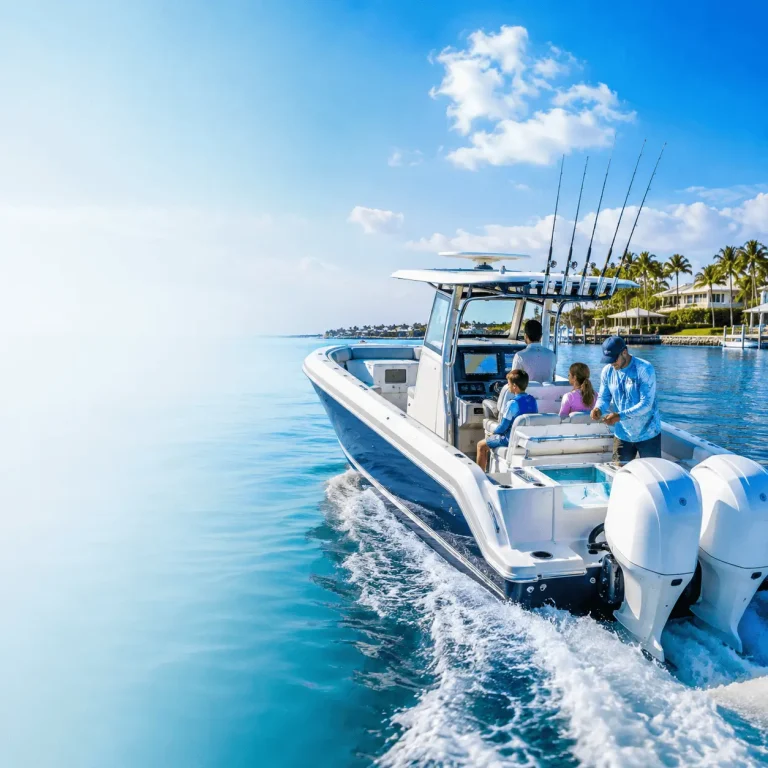
Motorized watercraft use engines or mechanical propulsion systems to generate movement. Common examples include powerboats, pontoon boats, center consoles, jet boats, and personal watercraft.When exploring different types of motorized watercraft, console boats are a versatile option for fishing, cruising, and coastal use. Learn more about their features, benefits, and ideal uses in our detailed guide to console boats.
Motorized vessels can use outboard engines, inboard engines, sterndrives, or jet drives. The propulsion system affects acceleration, handling, maintenance, fuel use, and the type of watercraft that can use it.
An outboard motor mounts externally and is common on fishing and recreational boats. An inboard engine sits within the hull and is frequently used in larger boats. Jet drives use water propulsion rather than a conventional exposed propeller.Personal watercraft (PWC) are compact motorized vessels designed for recreational riding, typically using jet propulsion rather than an exposed propeller. They include products commonly known as Jet Skis and WaveRunners and are designed primarily for individual or small-group recreation.
Key distinction: Propulsion describes how a watercraft moves, while boat type describes what the vessel is designed to do.A PWC is a motorized watercraft category, not simply a smaller conventional boat.
Sailboats & Sailing Watercraft
Sailing watercraft use wind captured by sails as their primary source of propulsion. Common types include daysailers, sloops, catamarans, trimarans, and cruising sailboats.
A sloop typically uses one mast with a mainsail and headsail. A catamaran has two hulls, providing a wide platform and different stability characteristics from a monohull sailboat.
Sailing craft can also be classified by purpose. Daysailers are suited to shorter outings, while cruising sailboats are designed for longer trips and onboard living.
| Sailing Type | Configuration | Common Use |
|---|---|---|
| Daysailer | Usually monohull | Short recreational trips |
| Sloop | Monohull with common two-sail setup | General sailing |
| Catamaran | Two hulls | Cruising and recreation |
| Trimaran | Three hulls | Performance and cruising |
| Cruising Sailboat | Varies | Longer trips |
Best choice: Hull configuration, sailing experience, intended distance, and onboard space should guide your choice of sailing watercraft.
Specialized & Commercial Watercraft
Specialized and commercial watercraft are designed for transportation, construction, rescue, industrial work, or other specific operations rather than ordinary recreation.
Tugboats move or assist larger vessels. Barges transport cargo and equipment, often without their own propulsion. Rigid inflatable boats (RIBs) combine an inflatable outer structure with a rigid hull and are widely used for rescue, transport, and professional operations.
Airboats use propellers rather than conventional submerged propulsion and can operate in shallow environments. Ferries transport passengers or vehicles between designated locations. Workboats support construction, maintenance, offshore operations, and other marine activities.
Key distinction: Specialized watercraft are engineered around a specific operational requirement rather than general recreational use.
How to Choose the Right Watercraft
The right watercraft depends on what you plan to do, where you will operate, how many people you need to carry, and how you will transport and store it.
Use this decision framework:
| Your Priority | Suitable Watercraft |
|---|---|
| Family recreation | Pontoon or bowrider |
| Freshwater fishing | Bass boat or jon boat |
| Offshore fishing | Center console |
| Easy transport | Kayak or small trailerable boat |
| Watersports | Bowrider or jet boat |
| Sailing | Sailboat or catamaran |
| Personal recreation | Personal watercraft |
| Commercial work | Workboat or specialized vessel |
Water environment matters. A small kayak or shallow-draft boat may work well on a calm lake but may be unsuitable for exposed offshore conditions. Saltwater operation can also influence material selection, maintenance requirements, and corrosion protection.Before choosing a watercraft, consider its price, down payment, interest rate, and expected monthly cost. Use our boat loan calculator to estimate your monthly payment and see what fits your budget.
Storage and transport matter too. Trailerable boats provide more flexibility, while larger vessels may require marina storage or specialized transportation.
Best decision: Start with your primary activity, then evaluate water conditions, passenger capacity, propulsion, storage, transportation, and budget.
Frequently Asked Questions About Watercraft
Is every boat a watercraft?
Yes. A boat is a type of watercraft. However, the term watercraft is broader and can include boats, ships, personal watercraft, kayaks, canoes, and other vessels designed for water use.
What is the difference between a boat and a ship?
A ship is generally larger and designed for commercial transportation, ocean travel, or specialized operations. A boat is usually smaller and commonly used for recreation, fishing, transportation, or local work.
Is a Jet Ski a boat?
A Jet Ski is a personal watercraft (PWC) rather than a conventional boat. It uses an engine and jet propulsion and is designed primarily for individual or small-group recreational use.
Are kayaks considered watercraft?
Yes. Kayaks are human-powered watercraft designed to move through water using a paddle. They can be used for recreation, touring, fishing, and other activities.
What watercraft is best for fishing?
There is no single best option. Bass boats suit freshwater bass fishing, center consoles work well for versatile coastal and offshore fishing, and fishing kayaks provide portability for smaller waters.
What watercraft is best for families?
Pontoons and bowriders are common family choices because they provide open seating and recreational space. The best option depends on passenger capacity, activities, water conditions, and storage.
What are the main types of watercraft?
Major categories include recreational boats, fishing craft, human-powered craft, motorized watercraft, sailing vessels, personal watercraft, and specialized or commercial vessels.
Can one watercraft belong to multiple categories?
Yes. Classification can overlap. For example, a fishing kayak is both a kayak and a fishing watercraft, while a center console can be both a motorized boat and a fishing vessel.
Watercraft are best understood by looking at type, propulsion, purpose, and operating environment together. Once you identify those factors, choosing the right vessel becomes much easier.
Editorial & Source Note
Source Note: Watercraft classifications and specifications can vary by vessel and manufacturer. Always verify current manufacturer information and applicable boating regulations before making a purchase or operating a vessel.

Michael Carter is a financial research writer specializing in vehicle financing, loan calculations, interest rates, and consumer budgeting. He creates practical, easy-to-understand resources that help readers make more informed financing decisions.