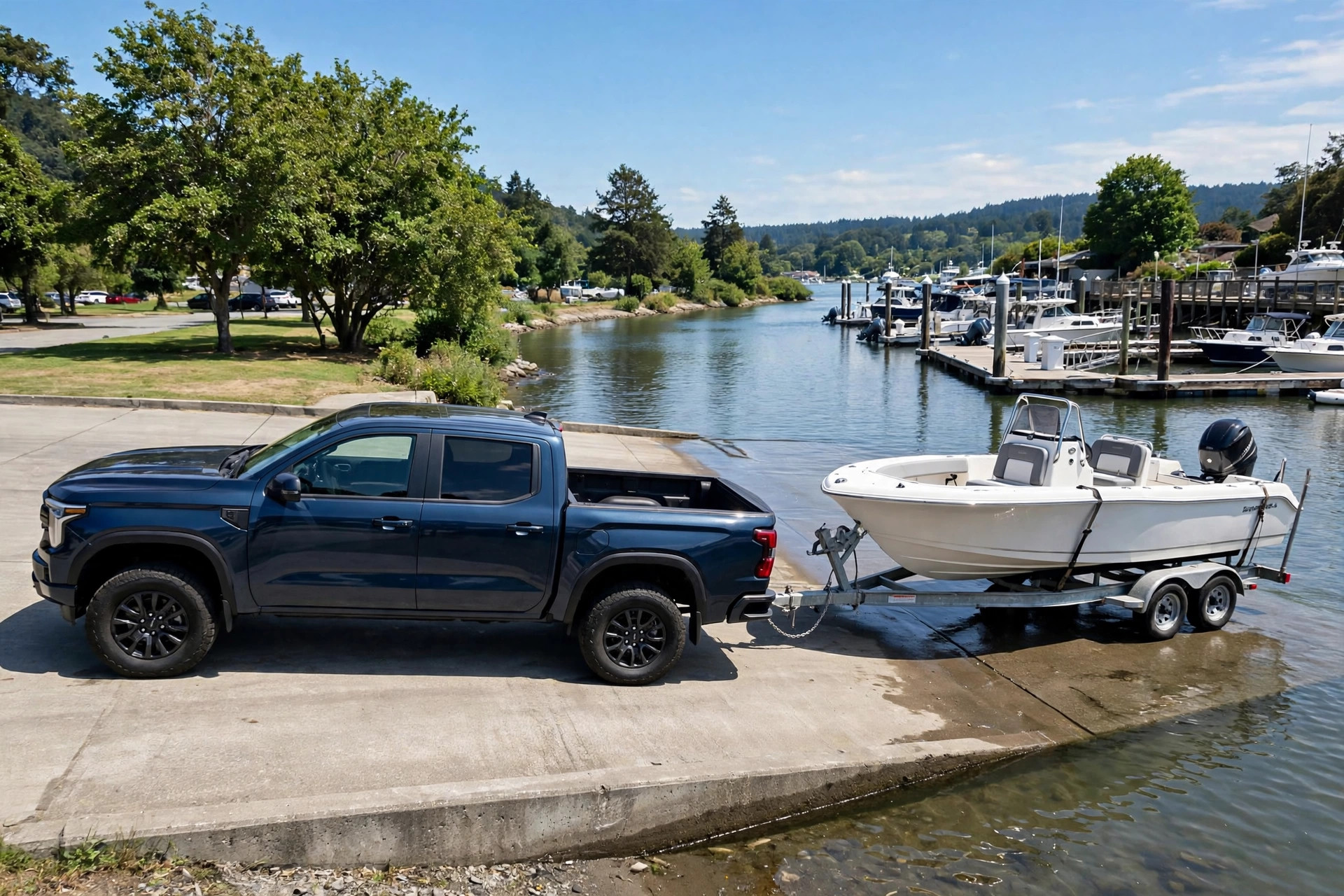
Boat Trailer Financing: Can You Finance a Trailer Separately?
Boat trailer financing is easy to overlook until you are standing at the dealer desk. You priced the boat, you checked the loan, and then the trailer shows up as a separate line item worth thousands of dollars. The good news is that you can usually finance a boat trailer, either on its own or bundled into your boat loan. The right choice depends on the lender, the purchase timing, and the total cost, not just the monthly payment.
Can You Finance a Boat Trailer Separately?
Yes, in most cases you can finance a boat trailer separately from the boat. A standalone trailer loan treats the trailer as its own asset, with its own amount, rate, term, and lien. That separation can be useful when you are replacing an old trailer, buying the trailer from a different seller than the boat, or buying the boat and trailer at different times.
Boat Trailer Financing Options
Most buyers choose from five main routes. Rates and terms vary widely by credit, lender, and trailer value, so treat any range below as a starting point for comparison, not a quote.
Dealer financing. Offered at the point of sale, this is the most convenient option, especially for a boat, motor, and trailer package. Convenience can come with a higher rate, so compare it with at least one outside offer before you accept.
Bank loan. A traditional installment loan from a bank often suits buyers with good credit who want a fixed rate and a familiar lender. Terms are commonly two to seven years for this kind of borrowing.
Credit union loan. Credit unions frequently offer lower rates than commercial banks for members, and they are often more flexible on smaller marine loans. Membership is usually required, but joining is often simple if you live, work, or worship in the area served.
Online lender. Online lenders decide fast and fund fast, which helps when a private sale has a tight deadline. Watch for origination fees, because a fee can lift the effective cost well above the advertised rate.
Personal loan. For a cheaper trailer, an unsecured personal loan can work, and it avoids putting a lien on the trailer. The tradeoff is usually a higher rate and a shorter term. Our comparison of a personal loan versus a boat loan explains when that tradeoff makes sense and when it does not.

Bundled or Separate: Which Costs Less?
Bundling the trailer into your boat loan usually means one payment, one lien, and one set of paperwork. Many banks and credit unions prefer this structure when the boat, motor, and trailer are bought together from the same dealer at the same time, because the larger balance can qualify for a lower rate or a longer term.
Do not judge the choice by the monthly payment alone. Compare the total amount you will repay under each option, including fees. A bundled loan with a longer term can look cheaper month to month while costing more in total interest. A shorter separate loan can look expensive month to month while costing less overall. Run both scenarios through a boat loan APR calculator using the same trailer price, so the comparison is honest.
As an illustration only, borrowing $5,000 at 8 percent APR over 48 months gives an estimated payment of about $122 per month. Borrowing $8,000 at 10 percent over 60 months gives about $170 per month, and $10,000 at 12 percent over 72 months gives about $195 per month. Your actual rate, fees, and payment will differ, so confirm every figure in writing before you sign.
Timing matters more than most buyers expect
If the boat and trailer are bought at the same time, combining them is usually straightforward. If you buy the trailer months after the boat, adding it to the existing loan generally means refinancing that loan, which can involve early payoff fees and a new rate. That is worth checking before you assume a later trailer can simply be added on. If you are in that position, read how refinancing a boat loan works, including when the fees make it a bad deal.
The same timing point applies to private sales. When the boat comes from one seller and the trailer from another, lenders may still combine the purchases, but only if both are bought at the same time and the paperwork lines up. Our guide to financing a boat from a private seller covers the extra verification those deals usually need.
What Lenders Ask For
Trailer loan paperwork looks much like boat loan paperwork, just smaller. Expect to provide government issued photo ID, recent pay stubs or profit and loss statements if you are self employed, tax returns for the last two years, and proof of residence such as a utility bill. The lender will also want the trailer details: year, make, model, VIN, purchase price, and a bill of sale.
Title handling deserves a direct question. Ask whether the lender will hold the trailer title until the loan is repaid, whether the lien covers the trailer only or the boat as well, and what happens to the title when you sell. Confirm that the title shows no existing lien and that the owner name matches your application, because a mismatch can delay approval or force a larger down payment.
Costs Beyond the Loan Payment
The loan payment is not the full monthly cost of owning a trailer. Budget for insurance, registration, and towing gear before you choose a loan amount, or those costs will surprise you in the first month.
Insurance is usually required when the trailer is financed, and your policy should cover both the boat and the trailer. Check the coverage limits and deductible before you submit the policy to the lender. Our boat insurance guide explains the cover types that matter most for financed boats.
Mistakes to Avoid With Boat Trailer Financing
Assuming the package price includes the trailer. Some dealers quote boat only, some quote boat and motor, and some quote the full package. Get the trailer listed as its own line, with its own price, so the lender and the insurer both see exactly what is financed.
Letting a lien cover more than you intended. Confirm in writing that a trailer loan lien applies only to the trailer, unless you deliberately chose a combined loan. A lien that reaches the boat as well puts both assets at risk if a payment is missed.
The Bottom Line
Boat trailer financing works best when you decide the structure before you shop. If you are buying boat, motor, and trailer together, ask for a bundled quote and a separate quote, then compare total cost. If you are buying the trailer alone or later, compare a secured trailer loan with a credit union loan and a personal loan, and pick the shortest term you can comfortably afford. Either way, verify the title, confirm what the lien covers, and make sure insurance covers both the boat and the trailer. A trailer loan is a small loan, but signed carelessly it can complicate selling, refinancing, or insuring the boat for years.

Michael Carter is a financial research writer specializing in vehicle financing, loan calculations, interest rates, and consumer budgeting. He creates practical, easy-to-understand resources that help readers make more informed financing decisions.