Bowrider Boats: Types, Uses, Pros & Cons
Bowrider boats can make choosing the right recreational boat difficult because different models are built for different activities, passenger needs, and water conditions. A boat that works well for family cruising and watersports may not provide the fishing layout, rough-water capability, or overnight space you need.
The solution is to match the bowrider boat’s open-bow layout, hull design, passenger capacity, propulsion, and features with how and where you plan to use it. This article compares bowrider types, common uses, advantages, limitations, and key differences from other boat types so you can determine whether a bowrider fits your needs.If you are comparing different boat types before buying, your expected purchase price can also help you estimate your boat loan payments.
What Are Bowrider Boats Used For?
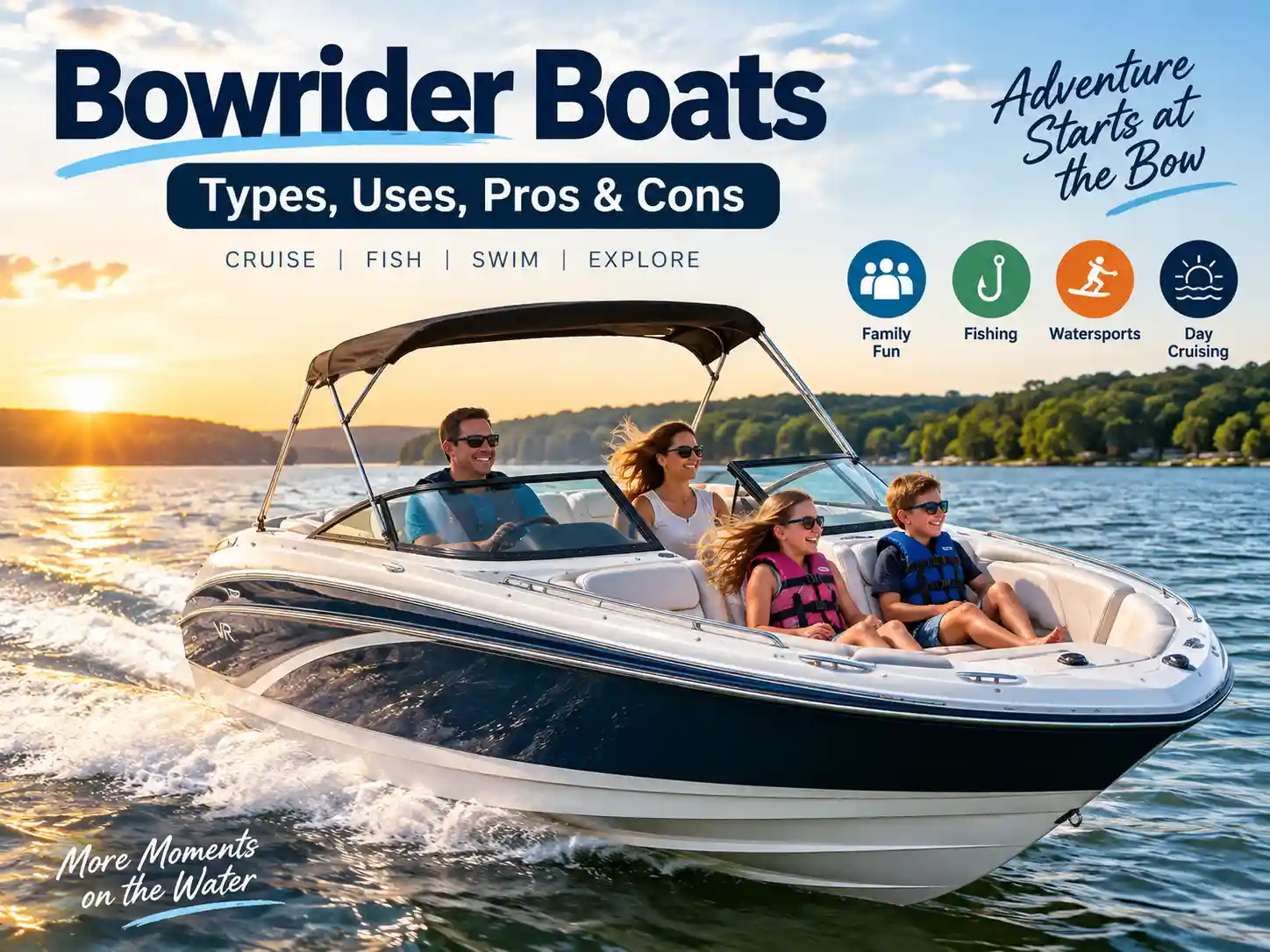
Bowriders are built around multi-purpose recreational use. Their open layout provides passenger seating while leaving enough cockpit space for activities and gear.
Common uses include:
- Day cruising: Shoreline trips, sightseeing, and waterfront stops.
- Tubing and water skiing: Many models can tow recreational water toys.
- Wakeboarding: Watersports-oriented models may include tow arches or other equipment.
- Swimming: Swim platforms and boarding ladders make repeated water access convenient.
- Fishing: Fish-and-ski and fishing-oriented bowriders can include rod holders, livewells, and convertible seating.
- Family recreation: The forward seating area gives families and groups additional passenger space.
Bowriders are commonly used on lakes, rivers, bays, and other suitable waterways. The appropriate conditions depend on the boat’s size, hull design, freeboard, and operating conditions.
What Are the Main Types of Bowrider Boats?
A bowrider is one of several types of watercraft designed around different passenger layouts, hull designs, and recreational uses.
| Bowrider configuration | Best suited for | Distinguishing features |
|---|---|---|
| Traditional bowrider | Cruising and family recreation | Open bow, cockpit seating, recreational hull |
| Watersports bowrider | Tubing, skiing, wakeboarding | Tow equipment and performance-focused setup |
| Fishing bowrider | Fishing and family use | Rod holders, livewell, convertible seating |
| Jet bowrider | Recreation and watersports | Jet propulsion instead of a conventional propeller |
| Cabin bowrider | Longer day trips and occasional overnight use | Enclosed cabin or berth in larger models |
| Deck-style bowrider | Groups and social boating | Wider bow and greater usable passenger space |
The classification should be treated as configuration-based, because the same bowrider concept can combine different hull designs, propulsion systems, and equipment packages. Larger models can also add cabins, heads, or other amenities.

What Are the Advantages of Bowrider Boats?
More passenger seating: The defining open bow creates additional seating that would otherwise be occupied by an enclosed cabin.
Multi-purpose design: One boat can support cruising, swimming, tubing, waterskiing, and casual fishing.
Easy access: Open layouts provide convenient movement between the bow, cockpit, swim platform, and boarding ladder.
Multiple propulsion options: Buyers can choose among configurations such as outboard and sterndrive, with some models using jet or inboard propulsion.
Trailerability: Many bowriders are designed for trailering, allowing owners to move them between suitable boating locations.
Range of sizes: Traditional models are often compact, while modern bowriders can be considerably larger with additional seating, storage, and amenities.
What Are the Disadvantages of Bowrider Boats?
The open bow is also the source of several limitations.
Weather exposure: Passengers in the forward seating area have less protection from wind, rain, spray, and changing weather than they would inside a cabin.
Limited overnight space: Standard bowriders are primarily day boats. Larger models may add cabins, but overnight accommodation is not typical of the basic design.
Rough-water limitations: Smaller bowriders are generally better suited to protected waters. Hull design and deadrise matter when operating in chop or coastal conditions; larger models may be designed for more demanding water.
Less specialized fishing space: A recreational bowrider can support casual fishing, but a dedicated fishing boat usually provides a more purpose-built deck, storage, and fishing layout.
Are Bowrider Boats Good for Fishing, Watersports, and Family Boating?
Bowriders can work well for family boating and watersports because their seating layout accommodates passengers while leaving the cockpit available for recreational activities. Watersports-focused models may add tow arches or other equipment for skiing and wakeboarding.
For fishing, the answer depends on how seriously the boat will be used for angling. A fishing-oriented bowrider can include livewells, rod holders, convertible seats, and fishing storage, making it suitable for mixed family and fishing use. A dedicated fishing boat is generally better when fishing is the primary purpose.
The same principle applies to water conditions. A bowrider can be appropriate for lakes, rivers, bays, and some coastal use, but the specific hull, size, freeboard, and deadrise should match the expected conditions.
Bowrider vs. Other Boat Types: Which Is Better for Your Use?
| Boat Type | Better Fit For | Key Difference |
|---|---|---|
| Bowrider | Family cruising and watersports | Sporty open-bow layout |
| Deck boat | Groups and maximum open space | Wider forward section |
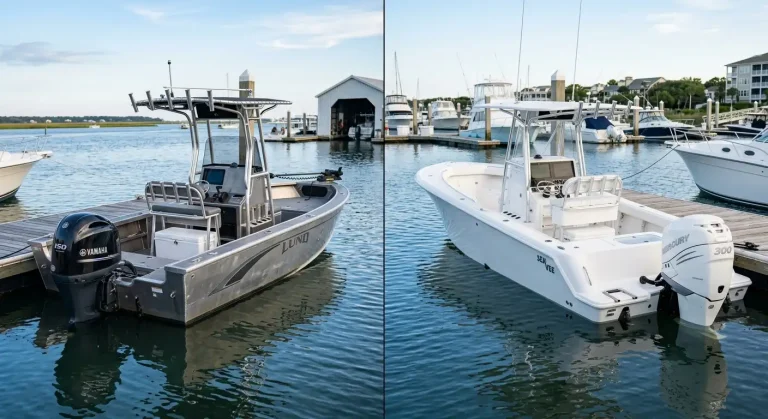
| Center console | Serious fishing and coastal use | Open fishing deck and centralized helm |
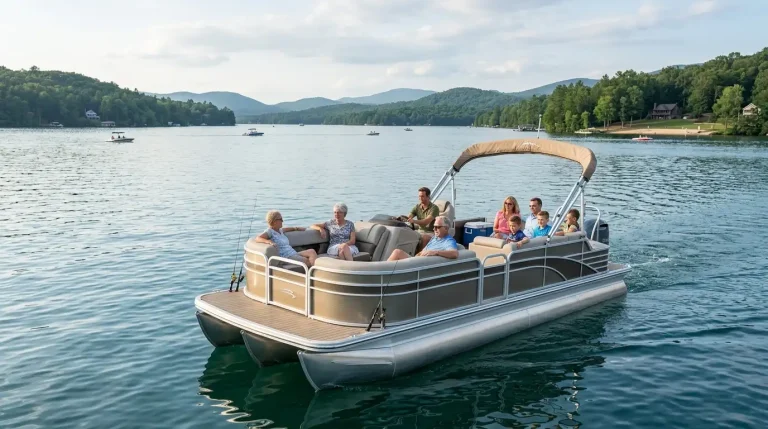
| Pontoon | Lounging and large groups | Large, stable deck area |
| Cuddy cabin | Overnight trips | Enclosed sleeping/accommodation space |
A bowrider vs. deck boat decision often comes down to handling versus usable space. Bowriders generally emphasize a sporty runabout layout, while deck boats carry more beam forward to increase passenger and deck space.
Choose a center console when fishing is the dominant activity. Choose a pontoon when maximum lounging space and group capacity matter more. Choose a cuddy cabin when enclosed accommodation or overnight use is important.
Who Should Choose a Bowrider Boat?
A bowrider is a strong fit when the main priorities are family recreation, day cruising, swimming, and towable watersports. The open bow adds seating, while the runabout hull and available propulsion options support active recreational use.
Choose a bowrider when you:
- Mostly boat during the day.
- Carry family or friends regularly.
- Want open-air forward seating.
- Enjoy tubing, skiing, or similar watersports.
- Fish casually rather than needing a dedicated fishing platform.
- Usually operate on suitable inland or protected waters.
Consider another boat type when you primarily need offshore fishing capability, extensive overnight accommodation, maximum deck space, or a highly specialized fishing layout.
Before choosing a model, match boat size, hull design, passenger capacity, engine, storage, and intended water conditions to your actual use. If purchase cost is part of the decision, you can estimate your boat loan payments before setting a budget.
Frequently Asked Questions About Bowrider Boats
How many people can fit in a bowrider?
Capacity depends on the model and its certified passenger rating. Many modern bowriders accommodate several passengers, with some commonly listed models rated for up to nine people.
Are bowriders good for beginners?
They can be suitable for new boaters because the open layout provides good visibility and access around the helm and cockpit.
Are bowriders good for fishing?
Yes, for casual or mixed-use fishing. Fishing-oriented bowriders can add livewells, rod holders, and convertible seating, but dedicated fishing boats provide more specialized layouts.
Can a bowrider handle rough water?
Some larger bowriders can handle more demanding conditions, but suitability depends on hull design, deadrise, size, weather, and operating conditions. Smaller models are generally better suited to protected waters.
Are bowriders good for water skiing?
Yes. Many bowriders are designed for towable watersports, and specialized models can include equipment for skiing and wakeboarding.
What is the main difference between a bowrider and a deck boat?
A bowrider typically emphasizes a sporty runabout hull and forward seating, while a deck boat uses a wider forward section to provide more usable passenger space.

Michael Carter is a financial research writer specializing in vehicle financing, loan calculations, interest rates, and consumer budgeting. He creates practical, easy-to-understand resources that help readers make more informed financing decisions.