Mooring Permit Guide: Requirements, Fees & How to Apply
A mooring permit may be required before you place or use a boat mooring in a regulated waterway. The process is not the same everywhere. Requirements can depend on the state, waterway, mooring location, vessel, and local authority.
Before applying, identify the authority that controls the water where you want to moor your boat. Then verify whether a permit is required, which documents are needed, whether a suitable mooring site is available, and what fees or inspection rules apply.
What Is a Mooring Permit?
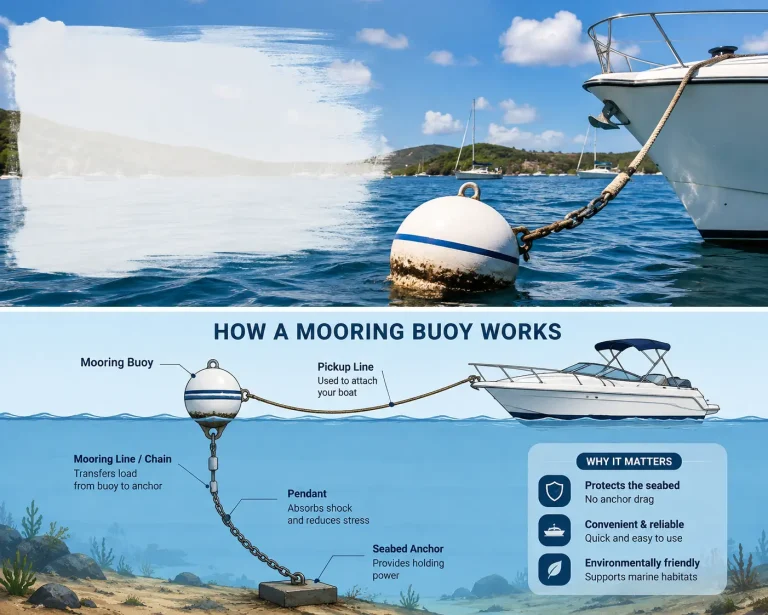
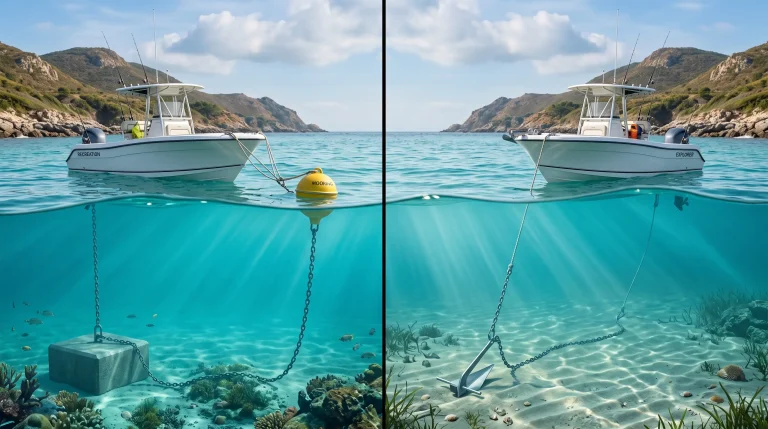
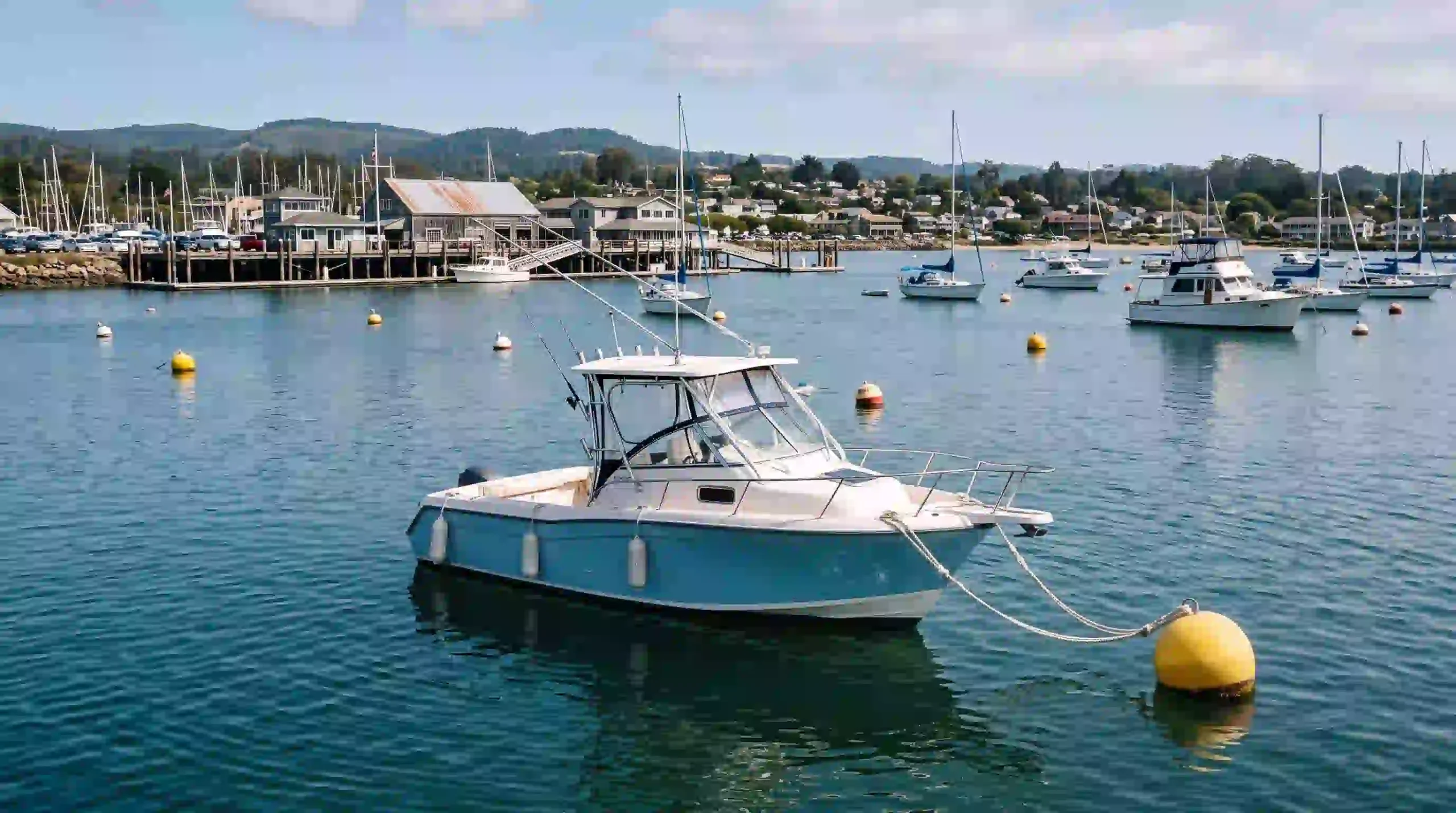
A mooring permit is authorization to establish, occupy, or use a designated mooring location for a vessel, depending on the applicable jurisdiction. It is different from simply owning a mooring buoy or anchoring a boat temporarily.
A permit may identify the vessel, mooring location, permit holder, mooring type, and applicable conditions. Some authorities also require inspections, maintenance, or periodic renewal.
Because mooring rules are location-specific, there is no single nationwide set of requirements that applies to every boat owner.
Do You Need a Permit for a Boat Mooring?
Whether you need a permit depends primarily on where the boat will be moored and which authority controls that waterway.
Check these factors before installing or occupying a mooring:
- State or local boating regulations
- Harbor or waterway authority
- Private or public mooring area
- Designated mooring field
- Type and size of vessel
- Permanent versus temporary use
- Local mooring restrictions
Do not assume that a mooring is legal simply because there is open water available. Some waterways regulate mooring locations, equipment, vessel size, or the number of permitted spaces.
Private and public moorings can follow different rules. A private mooring may require authorization for the equipment and location, while a public or designated mooring field may operate through assigned spaces, permits, or separate reservation rules. Check the authority controlling the specific mooring area before assuming that a privately owned buoy can be placed or used there.
Who Issues Mooring Permits?
The responsible authority varies by location. Depending on the waterway, applications may be handled by a state boating agency, Department of Natural Resources, harbor authority, parks agency, port authority, or local government.
Start by identifying the authority responsible for the specific waterway rather than searching only for a general state boating office.
For federally regulated or navigable waters, additional federal requirements may also apply. However, federal involvement does not automatically replace state or local mooring rules.
What Are the Requirements for a Mooring Permit?
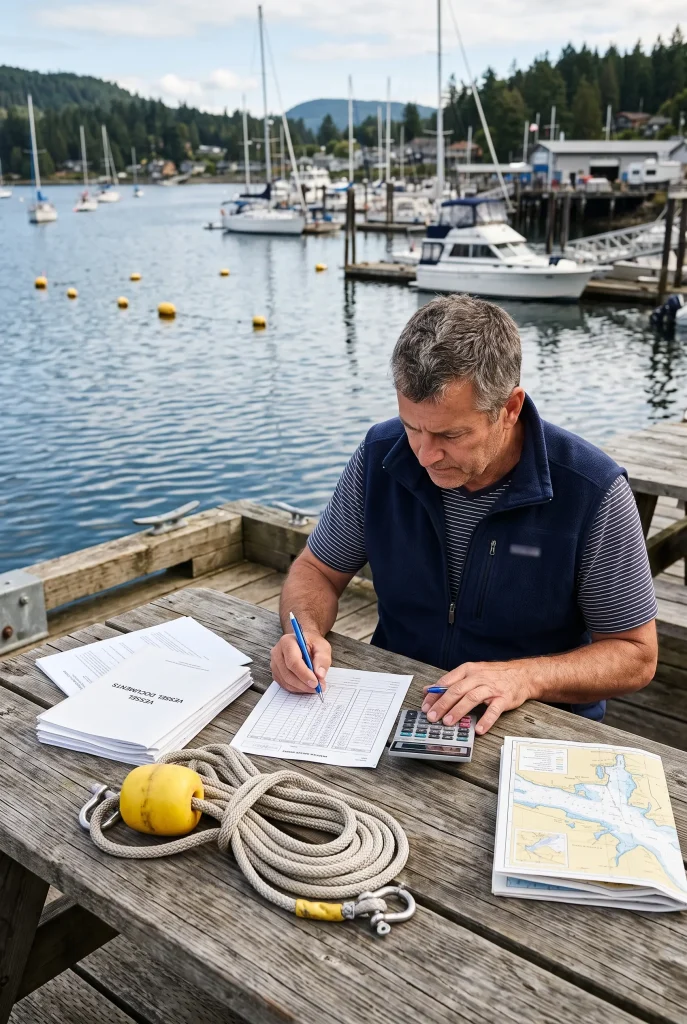
Common requirements can include:
- Boat registration or vessel documentation
- Proof of vessel ownership
- Hull Identification Number (HIN)
- Vessel length and specifications
- Owner contact information
- Proposed mooring location
- Mooring design or equipment details
- Application form
- Applicable permit fee
- Inspection or approval where required
These are common requirements, not a universal checklist. The exact documents and technical specifications should be verified with the authority responsible for the intended mooring location.Depending on the vessel and jurisdiction, the authority may request state boat registration or applicable vessel documentation. Use the document type required by the agency handling the mooring application rather than assuming one substitutes for the other.
A useful pre-application check is to confirm three things first: the vessel qualifies, the location is permitted, and the proposed mooring meets local requirements.If ownership records are incomplete, the vessel title is missing, or a lien appears on the ownership record, resolve the documentation issue with the appropriate state or vessel-recording authority before relying on the application being complete.
How to Apply for a Mooring Permit
Use this sequence to reduce delays:
- Identify the waterway authority. Determine which agency controls the proposed mooring location.
- Confirm permit requirements. Check whether the location requires a mooring permit and whether applications are currently accepted.
- Check site availability. Some designated mooring areas have limited spaces or waiting lists.
- Prepare vessel information. Gather registration, ownership, vessel dimensions, HIN, and other required documentation.
- Check mooring specifications. Confirm whether the authority specifies equipment, installation, inspection, or anchoring standards.
- Submit the application. Provide the required forms and supporting documents.
- Pay applicable fees. Include application, permit, inspection, or other location-specific charges where applicable.
- Wait for approval. Do not assume that submitting an application authorizes installation or use.
The most important step is verifying the specific waterway rules before purchasing or installing mooring equipment.
How Much Does a Mooring Permit Cost?
Mooring permit costs vary by jurisdiction and may depend on factors such as the mooring location, vessel length, permit type, inspection requirements, and renewal period.
The permit fee is also only one part of the potential cost. Boat owners may need to account for mooring equipment, installation, inspection, maintenance, and renewal.If you are also budgeting for the boat itself, a boat loan calculator can help estimate the monthly payment based on the purchase price and financing terms.
For this reason, avoid using a single nationwide fee as a planning figure. Check the current fee schedule published by the authority responsible for the mooring site.
Mooring Permit Rules, Inspections & Renewal
Obtaining a permit may create continuing responsibilities. Depending on the jurisdiction, the permit holder may need to maintain the mooring, meet inspection requirements, renew the permit, report changes, or keep the permitted vessel information current.
Pay particular attention when:
- Changing the vessel
- Moving the mooring
- Transferring ownership
- Replacing mooring equipment
- Allowing another person to use the permitted location
- Renewing an expired permit
Treat the permit as location- and vessel-specific unless the issuing authority says otherwise. Before changing the vessel, moving the mooring, replacing equipment, transferring ownership, or renewing an expired permit, check whether the authority requires a new application, amendment, inspection, or updated documentation.
What If Your Mooring Permit Is Denied or No Mooring Is Available?
If an application is denied or no suitable mooring space is available, first determine why.
Common issues can include an unavailable location, incomplete documentation, vessel-size restrictions, technical requirements, or an existing waiting list.
The appropriate next step may be to correct the application, provide additional documentation, choose another permitted location, or join an available waiting list.
Do not install a mooring before receiving the required authorization simply because a location appears suitable.
Frequently Asked Questions
Do all boat moorings require a permit?
No. Mooring requirements vary by jurisdiction, waterway, and type of use. Check the authority responsible for the specific location.
What documents are commonly needed for a mooring permit?
Common documents include vessel registration or documentation, proof of ownership, vessel specifications, HIN, owner information, and the required application form.
How much does a mooring permit cost?
There is no universal fee. Costs can depend on the location, vessel, permit type, inspection requirements, and renewal rules.
Can I install a mooring before getting the permit?
Do not assume you can. If the location requires authorization, obtain approval and follow the authority’s installation requirements before placing the mooring.
What documents are needed for a mooring permit?
Common requirements may include boat registration or vessel documentation, proof of ownership, HIN, vessel specifications, owner information, and the applicable application form. Exact requirements vary by the authority controlling the mooring location.
How do I find the right authority for a mooring permit?
Start with the harbor, waterway, or state agency responsible for the specific location where you want to moor. Confirm the authority before submitting an application because mooring rules can vary between waterways within the same state.

Michael Carter is a financial research writer specializing in vehicle financing, loan calculations, interest rates, and consumer budgeting. He creates practical, easy-to-understand resources that help readers make more informed financing decisions.